Wellness vs Blue Buffalo Cat Food (2026): Which Premium Brand Wins?
A label reading of the six bags already linked here: CORE dry, Wilderness chicken, Complete Health grains, Wilderness Indoor, CORE pate, and Tastefuls pate.

In this review 12 sections
CatsLuvUs Copilot Search
Ask this review — not the open web
Answers are generated from this Cats Luv Us review only. We may earn a commission from Amazon links. Not veterinary advice.
Answer from this review
This score is editorial — based on labels, recall history, and veterinary guidance, not a lab test. How we evaluated.
There is no brand winner. The grain-free dry pair separates on pea protein and salmon oil.
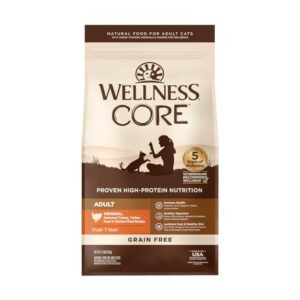
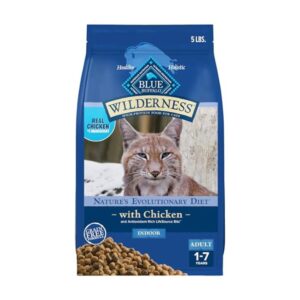
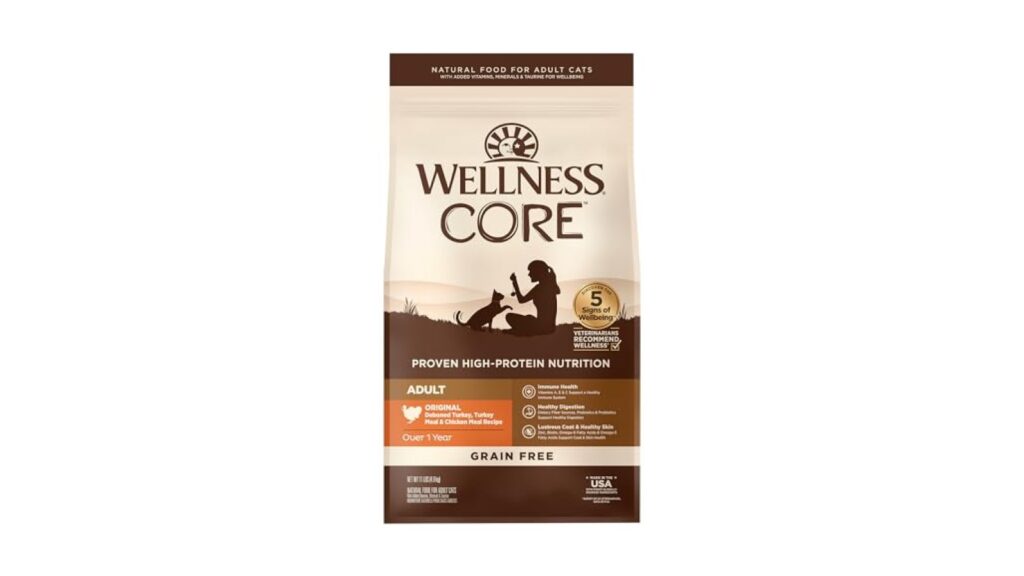
Wellness vs Blue Buffalo cat food is six labels, not one score. The score is an editorial label fit for how clearly those bags separate. It is not a feeding result. On US retailer copies, Wellness CORE Original dry lists deboned turkey, deboned chicken, turkey meal, and chicken meal before peas, and it names salmon oil. Blue Buffalo Wilderness Adult Chicken lists deboned chicken, chicken meal, then pea protein. Both print high protein minimums. Pea protein counts toward the Blue number. The other four bags on this page are different jobs: grains, indoor fiber, and two pates.
Six bags, four jobs
- Poultry names before peas
- 45% protein minimum
- Salmon oil is named
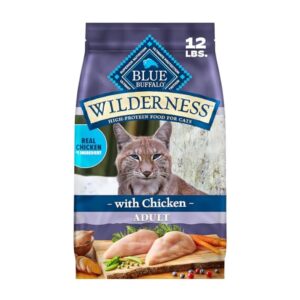
- Pea protein is third
- 40% protein minimum
- 443 kcal per cup
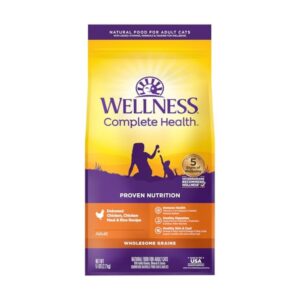
- Rice, barley, and oats
- 38% protein minimum
- No salmon oil on this recipe
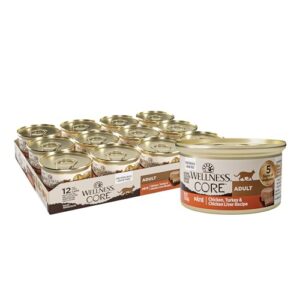
- Grain-free pate
- 12% protein as fed
- 78% moisture maximum
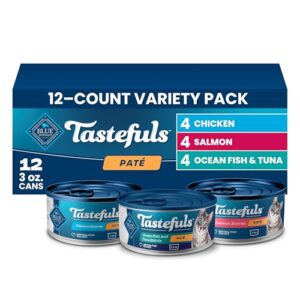
- Brown rice in the can
- Carrageenan in the chicken recipe
- About 9% to 10% protein
- Powdered cellulose
- 38% protein, 16% fat
- 410 kcal per cup
How we evaluated
This evaluation uses published product labels, guaranteed analyses, and recall records.
We read retailer copies of the six foods already linked on this page, plus the FDA, AAFCO, and Cornell pages on complete foods and label language. Where two public copies disagree, the page says so. The calorie and fiber splits are those disagreements, not measurements from a kitchen. Nobody here fed these foods to a cat. The score is an editorial label fit.
Editorial evaluation from published labels / literature — not a lab test or boarding trial.
Editorial picks are not sold to brands. How we make money.
Affiliate disclosure: Cats Luv Us is a participant in the Amazon Services LLC Associates Program. Product links on this page are affiliate links. If you buy through them we earn a commission, at no extra cost to you. This never changes which products we recommend or how we rank them.
Wellness vs Blue Buffalo is six bags, not one winner
Wellness vs Blue Buffalo cat food gets treated like a single score. The foods linked on this page are four different jobs. CORE Original dry and Wilderness Adult Chicken are the grain-free dry pair. Complete Health Wholesome Grains is the with-grain Wellness dry food. Wilderness Indoor is the higher-fiber Wilderness dry food. CORE pate and Tastefuls pate are the wet foods, and they are not the same recipe as the kibbles above them.
A comparison that scores an indoor Complete Health bag against an indoor Blue bag is a different pair. So is a score that puts a Wellness pate next to a Wilderness dry food. Those can be fair questions. They are not the labels below. Read the name on the sack before you borrow a conclusion from a different recipe.
Side-by-side, from the printed lines
| Bag | First ingredients | Protein min | Fat min | The useful difference |
|---|---|---|---|---|
| CORE Original dry | Turkey, chicken, turkey meal, chicken meal, peas | 45% | 18% | Salmon oil is named. Fiber is 3% or 4% max. |
| Wilderness Adult Chicken | Chicken, chicken meal, pea protein, tapioca, peas | 40% | 18% | Pea protein is third. 443 kcal per cup. |
| Complete Health grains | Chicken, chicken meal, rice, barley, oats | 38% | 18% | Grains on purpose. No salmon oil on this recipe. |
| Wilderness Indoor Chicken | Chicken, chicken meal, pea protein, peas, tapioca | 38% | 16% | Powdered cellulose. 410 kcal per cup. |
| CORE chicken and turkey pate | Chicken and turkey, then liver | 12% | 7% to 8% | 78% moisture max. Grain-free copies. |
| Tastefuls pate variety | Chicken, broth, liver, flavor, brown rice | About 9% to 10% | About 4% to 6% | Brown rice and carrageenan on the chicken recipe. |
Wellness CORE Original dry, turkey and chicken
Best for: A healthy adult on a grain-free dry food, when salmon oil and four poultry names before peas are the shopping rule
- First four ingredients
- Deboned turkey, deboned chicken, turkey meal, chicken meal
- Next named item
- Peas, on the US copies read here
- Crude protein
- 45% min
- Crude fat
- 18% min
- Fiber and moisture
- Fiber 3% or 4% max, moisture 10% max
- Calories
- 473 or 497 kcal per cup, depending on the copy
- Omega source named
- Salmon oil
US retailer copies of Wellness CORE Original Deboned Turkey, Turkey Meal and Chicken Meal list the same opening: deboned turkey, deboned chicken, turkey meal, chicken meal, then peas. Salmon oil is named further down, with flaxseed, cranberries, and chicory root. A current Chewy copy puts chicken fat and herring meal just after peas, then dried beet pulp and salmon oil. An older US copy puts herring meal after peas and dried ground potatoes before the salmon oil. The first four names match. The middle of the list does not. A European CORE Original page is a third recipe, with potato protein and a 44 percent protein line. Do not treat that bag as this one.
The guaranteed analysis on those US copies agrees on the big minimums: at least 45 percent crude protein and at least 18 percent crude fat. Moisture is at most 10 percent. Taurine is at least 0.20 percent. Fiber is where the copies split. Some pages print 3 percent maximum crude fiber. The current Chewy table prints 4 percent. Calories split the same way. Older pages print 3,977 kcal per kilogram, or 497 kcal per cup. Chewy prints 3,783 kcal per kilogram, or 473 kcal per cup. Use the cup line on the bag you opened.
A retailer nutrition statement for this recipe says it is formulated to meet the AAFCO Cat Food Nutrient Profiles for maintenance. A shop filter can still say all life stages. The sentence on the bag is the one that matters. Maintenance is adult maintenance. It is not a kitten growth statement. Some guaranteed analyses also print 90,000,000 CFU per pound of lactic acid microorganisms. A short table may leave that line off. That line is a label claim about added microbes. It is not a stool result.
Pros
- Four poultry names come before peas
- Salmon oil is named, which is a marine omega-3 source
Cons
- Peas are still in the recipe, so this is not a legume-free bag
- Fiber and calorie lines disagree across public copies
Blue Buffalo Wilderness Adult Chicken dry
Best for: A healthy adult when this chicken bag is the one the store stocks, and pea protein third is acceptable
- First five ingredients
- Deboned chicken, chicken meal, pea protein, tapioca starch, peas
- Crude protein
- 40% min
- Crude fat
- 18% min
- Fiber and moisture
- 4% max fiber, 9% max moisture
- Calories
- 3,832 kcal/kg, 443 kcal/cup
- Omega sources named
- Menhaden fish meal and flaxseed
- Also printed
- Taurine 0.15% min, magnesium 0.14% max
Current retailer copies of Blue Buffalo Wilderness Adult Chicken agree on the opening: deboned chicken, chicken meal, pea protein, tapioca starch, peas, then menhaden fish meal. Chicken fat is preserved with mixed tocopherols. Flaxseed is named as an omega-6 source. The fish meal is the named omega-3 source. Salmon oil is not on this list. LifeSource Bits is the brand name for the vitamin and mineral pieces. That is a marketing line, not a nutrient we measured.
The guaranteed analysis on those copies is 40 percent minimum crude protein, 18 percent minimum crude fat, 4 percent maximum crude fiber, and 9 percent maximum moisture. Magnesium is 0.14 percent maximum. Taurine is 0.15 percent minimum. Omega-3 fatty acids are 0.5 percent minimum and omega-6 fatty acids are 3.5 percent minimum. The calorie line is 3,832 kcal per kilogram, 443 kcal per cup. An older Blue page for a chicken recipe under this name used turkey meal and potato starch instead of pea protein, with 3,682 kcal per kilogram. The bag in the cupboard wins over either page.
Pea protein is a plant concentrate. It counts toward the 40 percent. A five-point gap under CORE’s 45 percent minimum is not a five-point gap in meat. Both numbers are as-fed minimums on dry food. Neither is a dry-matter assay of the cup you pour.
Pros
- Deboned chicken is first, and the 40 percent protein minimum is printed
- The current calorie line is consistent across several retailer copies
Cons
- Pea protein is the third ingredient, so the protein minimum is not all meat
- An older Blue page for this recipe used a different ingredient deck
Wellness Complete Health Wholesome Grains chicken
Best for: An adult cat when you want rice, barley, and oats on purpose, inside the Wellness house
- First five ingredients
- Deboned chicken, chicken meal, rice, barley, oats
- Crude protein
- 38% min
- Crude fat
- 18% min
- Fiber and moisture
- 3% max fiber, 10% max moisture
- Calories
- 3,952 kcal/kg, 458 kcal/cup
- Omega source named
- Ground flaxseed, not salmon oil
- Statement
- AAFCO maintenance
This is the with-grain Wellness bag on this page, not a second CORE. Retailer copies list deboned chicken, chicken meal, rice, barley, and oats, then chicken fat and ground flaxseed. Tomato pomace, cranberries, and chicory root extract follow. The copies read here do not name salmon oil. Flaxseed is the plant omega source on the list.
The guaranteed analysis is 38 percent minimum crude protein, 18 percent minimum crude fat, 3 percent maximum crude fiber, and 10 percent maximum moisture. Taurine is 0.20 percent minimum. Omega-6 fatty acids are 3.60 percent minimum and omega-3 fatty acids are 0.60 percent minimum. One retailer copy prints 3,952 kcal per kilogram, or 458 kcal per cup. The nutrition statement says the recipe is formulated for AAFCO maintenance.
A grain-free Complete Health chicken, a senior Complete Health, and a CORE digestive grains recipe are other bags. They print different protein and ingredient lines. If the sack says wholesome grains and the first five match chicken, chicken meal, rice, barley, and oats, you are on this one.
Pros
- The grains are named in the first five, so the carb choice is visible
- Protein minimum is lower than CORE, which matches a less concentrated recipe
Cons
- This recipe does not name salmon oil
- It is not a stand-in for CORE or for a veterinary diet
Blue Buffalo Wilderness Indoor Chicken dry
Best for: An indoor adult already in the Wilderness lane, when the higher fiber maximum is the point
- First five ingredients
- Deboned chicken, chicken meal, pea protein, peas, tapioca starch
- Indoor fiber
- Powdered cellulose
- Crude protein
- 38% min
- Crude fat
- 16% min
- Fiber and moisture
- 6% max fiber, 9% max moisture
- Calories
- 3,671 kcal/kg, 410 kcal/cup
- Statement
- AAFCO maintenance
Wilderness Indoor Chicken is not the adult Wilderness bag with a new sticker. Retailer copies open with deboned chicken, chicken meal, pea protein, peas, and tapioca starch. Powdered cellulose shows up after flaxseed. That cellulose line is the indoor fiber. Menhaden fish meal and flaxseed are still the named omega sources. Salmon oil is not on this list.
The guaranteed analysis drops from the adult chicken bag: 38 percent minimum protein, 16 percent minimum fat, 6 percent maximum fiber, 9 percent maximum moisture. Calories are 3,671 kcal per kilogram, 410 kcal per cup. Taurine is 0.15 percent minimum and magnesium is 0.14 percent maximum. A retailer page says the food is formulated for AAFCO maintenance. The adult chicken bag was 40 percent protein, 18 percent fat, 4 percent fiber, and 443 kcal per cup. Those are the indoor changes. They are not a prescription calorie plan. Portion the cup to the cat’s body condition.
Pros
- The indoor change is printed: lower protein and fat, higher fiber, powdered cellulose
- The calorie line is lower than the adult Wilderness chicken cup
Cons
- Pea protein is still third
- An indoor bag is not a veterinary weight-loss diet
Wellness CORE pate, chicken and turkey
Best for: A cat who needs water in the bowl, when a grain-free poultry pate is the wet food already in the cart
- Form
- Grain-free pate, 5.5 oz can on the copies read
- Crude protein
- 12% min, as fed
- Crude fat
- 7%, 7.5%, or 8% min, by copy
- Moisture
- 78% max
- Taurine
- 0.1% min
- Thickeners named
- Cassia gum, xanthan gum, guar gum
- Carrageenan
- Not on the copies read here
Public copies of this CORE chicken, turkey, and chicken liver pate do not share one ingredient list. One deck starts chicken, turkey, chicken broth, chicken liver, chicken hearts, then dried ground potatoes and fish oil. Another starts chicken, turkey, chicken broth, chicken liver, chicken meal, turkey liver, then salmon oil. Both keep named poultry at the front. Both use cassia gum, xanthan gum, and guar gum. Neither puts pea protein in the first five. Carrageenan is not on these copies. An indoor CORE pate is a different can, and that one does list pea protein. Check the can name.
The analysis is steadier on protein and water than on fat. Crude protein is at least 12 percent. Moisture is at most 78 percent. Taurine is at least 0.1 percent. Fat is printed as 7 percent, 7.5 percent, or 8 percent minimum, depending on the page. One copy prints 1,194 kcal per kilogram, or 101 kcal per 5.5 ounce can. Another page of the same recipe name says the food is formulated for all life stages. Other pages do not print that sentence in the table. The can’s statement is the one to follow. Twelve percent protein beside a dry food’s 45 percent is not a quality gap. Most of the can is water. That water is why the pate is here.
Pros
- Chicken and turkey are named at the start of both public decks
- Moisture maximum is 78 percent, which is the point of a wet food
Cons
- Fat percentage and the liver-versus-hearts order change by retailer copy
- Twelve percent protein is an as-fed wet number and cannot be lined up with a dry 45 percent
Blue Buffalo Tastefuls pate variety
Best for: A flavor rotation when brown rice and carrageenan on the chicken recipe are acceptable
- Chicken recipe opens
- Chicken, chicken broth, chicken liver, natural flavor, brown rice
- Chicken protein
- About 9% or 10% min, by pack
- Chicken fat
- About 4% to 6% min, by pack
- Moisture
- 78% or 82% max, by pack
- Grains
- Brown rice is named
- Thickener
- Carrageenan is on the chicken recipe
- Statement
- AAFCO maintenance on a variety-pack page
Tastefuls pate is the Blue wet food linked on this page. It is not Wilderness in a can. A Petco 5.5 ounce variety pack lists three recipes: chicken, turkey and chicken, and ocean fish and tuna. The chicken recipe opens with chicken, chicken broth, chicken liver, natural flavor, and brown rice, then guar gum, sweet potatoes, powdered cellulose, and carrageenan. The turkey recipe opens with turkey. The fish recipe opens with whitefish on a grocery-pack copy and is a separate entree. Brown rice means the pack is not grain-free.
On that Petco pack the chicken can is 10 percent minimum protein, 6 percent minimum fat, 2 percent maximum fiber, and 78 percent maximum moisture. A Canadian variety page prints 9 percent protein and 82 percent moisture for the chicken entree, and a calorie line that does not match the Petco can. Read the tray you bought. A variety-pack page says Tastefuls adult food is formulated for AAFCO maintenance. A Chewy transition line for Tastefuls chicken pate says to mix the new food in over 14 days. Other bags on this page print their own charts. Use the chart on the food you are opening, and call a veterinarian if the cat stops eating or the stool changes.
Pros
- Each entree names a meat or fish first
- The moisture is the useful part, same as any pate
Cons
- Brown rice means this pack is not grain-free
- Carrageenan is in the chicken recipe, and the protein minimum sits under the CORE pate line
What the protein percentage hides
Crude protein is a nitrogen minimum. Pea protein, peas, and other plant concentrates count. CORE Original’s 45 percent minimum sits on a list that names four poultry ingredients before peas. Wilderness Adult Chicken’s 40 percent minimum sits on a list that names pea protein third. Both facts can be true. Neither number is the percent of the bag that is meat.
The wet foods make the same point in the other direction. CORE pate at 12 percent protein and Tastefuls near 9 or 10 percent look weaker only if you ignore water. Moisture maximums are 78 percent, or 82 percent on one Tastefuls pack. Dry-matter math can line a pate up with a kibble. This page does not invent that conversion. If you want it, use the moisture number on your can and the AAFCO label guide, then ask the clinic before you change a sick cat’s food because of the arithmetic.
Salmon oil, fish meal, and flaxseed
Cats use preformed marine omega-3s more readily than they convert plant ALA. That is a nutrition fact, not a result from these bags. The labels still tell you which source is named. CORE Original dry names salmon oil. Wilderness Adult Chicken and Wilderness Indoor name menhaden fish meal for omega-3s and flaxseed for omega-6s. Complete Health grains names ground flaxseed and does not name salmon oil. One CORE pate copy names fish oil. Another names salmon oil.
A named oil is not a dose. The guaranteed omega lines are minimums, and the AAFCO profiles do not treat those starred omega lines as essential nutrients. CORE prints at least 1.25 percent omega-3 on older copies and at least 1.00 percent on the current Chewy table. Wilderness Adult Chicken prints 0.5 percent omega-3. The bigger number is still a minimum on a dry-food analysis. It is not a coat result.
Grain-free, grains, and the DCM conversation
Both companies sell grain-free and grain-inclusive cat foods. On this page, CORE and the two Wilderness dry bags are grain-free. Complete Health names rice, barley, and oats in the first five. Tastefuls chicken pate names brown rice. Choosing grains on purpose is a real option inside both houses. It does not require leaving the brand.
The FDA’s public work on diet-associated dilated cardiomyopathy has focused on dogs eating some grain-free and legume-heavy diets. A cause was not established. Cats are not the center of that record. CORE still contains peas. Wilderness dry still contains pea protein and peas. Do not turn that into a scoreboard. If the carb source is changing because of heart disease, a food allergy, or any other diagnosis, the veterinarian who has the cat makes that call.
Match the bag to the cat in front of you
- Healthy adult, grain-free dry, poultry before plant protein. CORE Original is the cleaner list of the two dry grain-free bags here.
- Healthy adult, and this Wilderness chicken is what the store has. The current label is honest about pea protein third, 40 percent protein, and 443 kcal per cup.
- You want grains. Complete Health on this page names them. A Tastefuls dry food is a different Blue bag and is not one of the six foods linked here.
- Indoor adult, Wilderness lane, more fiber. Wilderness Indoor prints powdered cellulose, 38 percent protein, 16 percent fat, and 410 kcal per cup.
- The goal is water. CORE pate is the grain-free wet food here. Tastefuls pate is the grained wet food, with carrageenan on the chicken recipe.
- Kitten. Buy a growth or all-life-stages statement. Do not default to a maintenance-only adult bag.
- Kidney disease, crystals, diabetes, or a food trial. Stop the aisle comparison. Use the food the veterinarian named.
CORE dry fits when
- You want four poultry names before peas on a grain-free dry food
- You want salmon oil named on that same dry recipe
- You want the grain-free pate, and you will read the can because the copies disagree
A Blue bag fits when
- Pea protein third is acceptable and Wilderness chicken is the bag in stock
- You want the indoor fiber and the 410 kcal cup
- You want a pate with brown rice, and carrageenan on the chicken recipe is acceptable
Price, recalls, and the line that matters
Shelf prices move. This page does not quote them. If cost is the decision, use the kcal-per-cup line on your bag and the price on your receipt. CORE’s cup is 473 or 497 kcal. Wilderness Adult Chicken is 443. Wilderness Indoor is 410. Complete Health grains is about 458. A cheaper bag with more calories per cup can cost more per day, and the reverse is also true. Do the division for the bags in the cart.
Both brands have been in pet-food recall lists over the years. A past event is not a grade for the next lot. When a recall is announced, match the lot code on the FDA recalls and withdrawals page. The line that matters on an ordinary shopping day is the nutritional adequacy statement: maintenance, growth, or all life stages. Complete and balanced adult food is still adult food, whichever logo is on the front. Cornell’s feeding page is the plain-language reminder to match the food to the cat’s age and body condition.
Grocery brands are a different price lane. The IAMS vs Purina comparison and the Purina ONE review cover that shelf. If the cat already has a food that fits, keep that food steady when you travel. Cats Luv Us can feed the diet you already settled.
Bottom line
Wellness vs Blue Buffalo cat food is a fit, not a trophy. For grain-free dry, CORE Original is the list with poultry before peas and salmon oil on the label. Wilderness Adult Chicken is the list with pea protein third, a 40 percent protein minimum, and 443 kcal per cup. Choose Complete Health when you want rice, barley, and oats. Choose Wilderness Indoor when you want the higher fiber and the smaller calorie cup. Choose a pate when water is the goal, and read that can, because the CORE copies do not match each other and Tastefuls brings brown rice and carrageenan. Then read the adequacy statement for the cat who will actually eat it.
Wellness vs Blue Buffalo
Is Wellness or Blue Buffalo better for cats?
Neither brand wins as a brand. On the grain-free dry pair linked here, CORE Original lists four poultry names before peas and names salmon oil. Wilderness Adult Chicken lists pea protein third and uses menhaden fish meal plus flaxseed. Complete Health grains, Wilderness Indoor, CORE pate, and Tastefuls pate are different jobs. Match the bag to the cat, then read the adequacy statement.
Which dry food has more protein?
CORE Original prints 45 percent minimum crude protein. Wilderness Adult Chicken prints 40 percent. Complete Health grains and Wilderness Indoor both print 38 percent. Those are as-fed minimums. Pea protein counts in the Wilderness numbers. A dry percentage cannot be compared with a pate’s 10 or 12 percent, because the can is mostly water.
Does Blue Buffalo use pea protein?
The Wilderness Adult Chicken and Wilderness Indoor Chicken copies read here both list pea protein third. Tastefuls chicken pate does not. It uses brown rice and carrageenan instead. An older Wilderness chicken page used a different deck, without pea protein. The bag you buy is the list that counts.
Does Wellness cat food have salmon oil?
CORE Original dry names salmon oil. The Complete Health wholesome-grains chicken recipe read here does not. It names ground flaxseed. CORE pate copies split: one names fish oil, another names salmon oil. Flaxseed is a plant omega. Salmon oil and fish oil are marine sources. The name on the bag is the difference.
Should I buy grain-free or with grain?
CORE and both Wilderness dry bags are the grain-free lane. Complete Health on this page names rice, barley, and oats. Tastefuls pate names brown rice. Grain-free is not a health grade. The FDA’s public DCM work has been mostly about dogs and certain legume-heavy diets, and it did not prove a cause. A medical carb change belongs with the veterinarian who knows the cat.
Is wet food better than dry?
Wet food adds water. CORE pate prints a 78 percent moisture maximum and 12 percent protein as fed. Tastefuls prints about 78 or 82 percent moisture and a protein minimum near 9 or 10 percent. Dry food is the denser calorie cup: about 410 to 497 kcal per cup on the lines above. Many healthy adults eat a measured dry cup plus a pate. The adequacy statement still has to match the life stage.
Do indoor cats need the indoor bag?
Wilderness Indoor Chicken prints the indoor change: 38 percent protein, 16 percent fat, 6 percent fiber, powdered cellulose, and 410 kcal per cup. That is a fiber and calorie framing for a less active adult. It is not a veterinary weight diet. If the cat is gaining weight, the cup size and the clinic matter more than the word indoor.
Can kittens eat these adult bags?
Only when the nutritional adequacy statement includes growth or all life stages. CORE Original’s retailer statement says maintenance. Complete Health grains and Wilderness Indoor say maintenance. One CORE pate copy says all life stages, and other pages do not print that line. A maintenance-only bag is the wrong default for a kitten. Buy the kitten recipe.
Who owns Wellness and Blue Buffalo?
Wellness is the Wellness Pet Company, the company formerly called WellPet. Blue Buffalo is a General Mills brand. Ownership explains shelf space. It does not change the guaranteed analysis. Judge the bag in your hand.
How do I switch from one of these foods to the other?
Use the transition chart on the new bag. A Tastefuls chicken pate page prints a 14-day mix, starting at about a quarter of the new food. The dry bags print their own charts. Stop and call a veterinarian if the cat stops eating, vomits, or has diarrhea. Do not swap foods during an illness to see what happens.
Sources
- Chewy: Wellness CORE Grain-Free Original dry, turkey and chicken
- Chewy: Blue Buffalo Wilderness Adult Chicken dry
- Petco: Wellness Complete Health Wholesome Grains chicken
- Petland: Blue Buffalo Wilderness Indoor Chicken
- Pet Supplies Plus: Wellness CORE chicken, turkey, and chicken liver pate
- Petco: Blue Tastefuls pate variety pack
- FDA: Complete and balanced pet food
- FDA: Questions and answers on DCM work, primarily dogs
- AAFCO: Reading pet food labels
- General Mills: Blue Buffalo brand
- Clearlake: WellPet renamed to the Wellness Pet Company
- Cornell Feline Health Center: Feeding your cat
Going away? Keep your cat's routine on track.
Cats Luv Us Boarding Hotel & Grooming in Laguna Niguel, Orange County.