Grain-Free Dry Cat Food: 2026’s Top Picks & Guide
A label reading of four grain-free dry bags: two Blue Buffalo Wilderness recipes, Reveal whitefish, and Naked Essentials.

In this review 12 sections
CatsLuvUs Copilot Search
Ask this review — not the open web
Answers are generated from this Cats Luv Us review only. We may earn a commission from Amazon links. Not veterinary advice.
Answer from this review
This score is editorial — based on labels, recall history, and veterinary guidance, not a lab test. How we evaluated.
Grain-free dry food still has to match the cat, the AAFCO line, and the ingredient list.
Grain-free dry cat food on this page means four kibbles that leave cereal grains off the recipe name. The score is an editorial label fit for how clearly those listings can be checked. It is not a feeding result.
At a glance
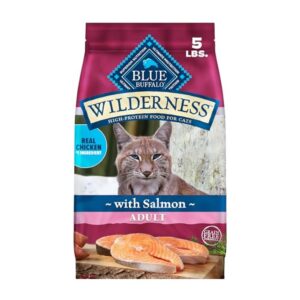
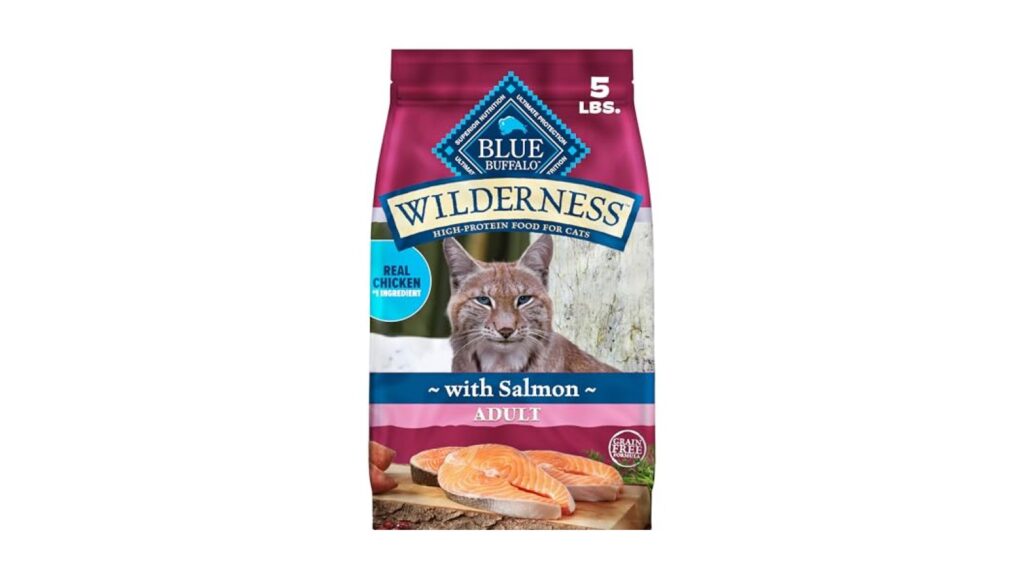
- Salmon is in the product name
- Adult life stage on the name
- 5 lb bag
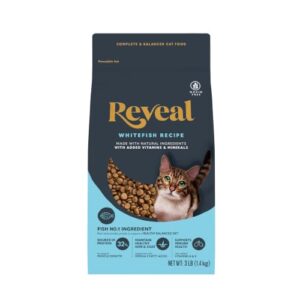
- Whitefish in the name
- 3 lb bag
- Listing says limited ingredient
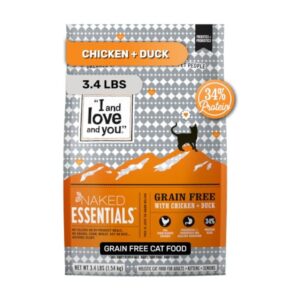
- Chicken and duck in the name
- 3.4 lb bag
- Listing copy says 34% protein
How we evaluated
This evaluation uses published product labels, guaranteed analyses, and recall records.
We read the product names, the bag sizes, and the claims printed on the listings, then the AAFCO pet-food page and the FDA note on certain diets and dilated cardiomyopathy. Transition timing and the complete-and-balanced line come from those label rules. Facility percentages are not used.
Editorial evaluation from published labels / literature — not a lab test or boarding trial.
Editorial picks are not sold to brands. How we make money.
Affiliate disclosure: Cats Luv Us is a participant in the Amazon Services LLC Associates Program. Product links on this page are affiliate links — if you buy through them we earn a commission, at no extra cost to you. This never changes which products we recommend or how we rank them.
Understanding Grain-Free Dry Cat Food: What It Means and Why It Matters
Grain-free dry cat food is formulated without common cereal grains like wheat, corn, rice, and barley. According to the Association of American Feed Control Officials (AAFCO) at aafco.org, grain-free formulas must still meet complete nutritional standards for cats. The FDA has also published guidance on grain-free diets and potential heart health concerns at fda.gov, which pet owners should review when making feeding decisions. Grain-free recipes leave out cereal grains such as wheat, corn, rice, barley, oats, or rye. Instead, these formulas typically rely on animal proteins as primary ingredients and use alternative carbohydrate sources like potatoes, sweet potatoes, peas, lentils, or chickpeas to provide structure and binding for the kibble. The grain-free movement gained momentum from the understanding that cats are obligate carnivores whose natural prey-based diet in the wild contains minimal to no grains.
The distinction between grain-free and grain-inclusive formulas goes beyond simple ingredient swapping. Grain-free dry cat foods generally feature higher protein percentages, often ranging from 35% to 45% or more, compared to traditional formulas that might contain 28% to 32% protein. This elevated protein content more closely mirrors the macronutrient profile of a cat’s evolutionary diet, which would have consisted primarily of small prey animals like mice, birds, and insects.
From a digestive perspective, cats have shorter gastrointestinal tracts than omnivores and lack significant amounts of amylase, the enzyme responsible for breaking down complex carbohydrates, in their saliva. While cats do produce some amylase in their pancreas, their capacity to digest large quantities of grain-based carbohydrates is limited compared to dogs or humans. This biological reality has fueled the argument that grain-free formulas may be more appropriate for feline digestion.
However, it’s crucial to understand that grain-free does not automatically mean low-carbohydrate or healthier. Many grain-free dry cat foods substitute grains with other carbohydrate sources that may actually have similar or even higher glycemic impacts. For instance, white potatoes used in some grain-free formulas can have a higher glycemic index than brown rice, potentially affecting blood sugar levels more dramatically. This is particularly relevant for cats with diabetes or weight management concerns.
The grain-free category also encompasses varying quality levels. Premium grain-free formulas like Blue Buffalo Wilderness Salmon Adult Dry Cat Food, Grain-Free, 5 lb emphasize named animal proteins as the first three to five ingredients, include species-appropriate nutrients like taurine and arachidonic acid, and avoid artificial colors, flavors, and preservatives. Conversely, lower-quality grain-free options might still contain excessive plant proteins like pea protein or potato protein as primary protein sources, which lack the complete amino acid profiles cats require.
The grain-free discussion must also acknowledge the ongoing research into potential links between grain-free diets and dilated cardiomyopathy (DCM), a serious heart condition. While this connection has been more prominently identified in dogs, particularly certain breeds, the veterinary community has raised awareness about monitoring cardiac health in cats consuming grain-free diets as well. The FDA has investigated whether certain grain-free formulas, particularly those high in legumes and potatoes while being low in traditional grains, might interfere with taurine metabolism or availability, potentially contributing to DCM in susceptible animals.
Veterinary researchers have indicated that the issue may not be grain-free diets per se, but rather specific formulation practices—particularly legume-heavy recipes—that some manufacturers employ, though the FDA investigation remains ongoing. Diets that rely heavily on peas, lentils, and other legumes as primary ingredients may contain compounds that interfere with taurine absorption or increase taurine excretion. Since taurine is an essential amino acid for cats that plays a critical role in heart function, vision, and reproduction, any dietary factor that compromises taurine status warrants serious consideration.
Responsible grain-free cat food manufacturers address this concern by ensuring adequate taurine supplementation, typically providing levels well above AAFCO minimum requirements. Quality formulas like Reveal Whitefish Grain Free Complete Dry Cat Food 3 lb Bag include supplemental taurine and focus on animal-based proteins that naturally contain this vital nutrient. When evaluating grain-free options, examining the guaranteed analysis for taurine content (ideally 0.2% or higher on a dry matter basis) provides important insight into formulation quality.
Environmental factors at facilities like ours also play a role in dietary decisions. Just as we recommend unscented air fresheners for cats to maintain respiratory health, we recognize that dietary choices should consider the whole environment, including stress levels, activity levels, and individual health status. A grain-free diet that works perfectly for an active, healthy adult cat might not suit a sedentary senior or a kitten with specific growth requirements.
Top Grain-Free Dry Cat Food Formulas for 2026: Expert Reviews and Analysis
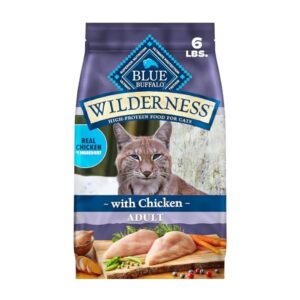
Blue Buffalo Wilderness Chicken Adult Dry Cat Food, Grain-Free, 6 lb represents the gold standard for grain-free nutrition, featuring real deboned chicken as the first ingredient followed by chicken meal, which provides concentrated protein. This formula delivers approximately 40% protein and 18% fat on a dry matter basis, creating an energy-dense food that supports lean muscle mass while satisfying a cat’s carnivorous cravings. The inclusion of LifeSource Bits—cold-formed kibble containing a precise blend of antioxidants, vitamins, and minerals selected by holistic veterinarians—distinguishes this formula from competitors. These nutrient-rich bits maintain their potency because they’re not exposed to the high heat of the kibble extrusion process.
What makes this formula particularly effective is its attention to ancestral nutrition. Beyond the grain-free aspect, it includes sweet potatoes and peas for digestible carbohydrates, cranberries and blueberries for urinary tract health, and a carefully balanced calcium-to-phosphorus ratio that supports skeletal health without overwhelming kidney function. The guaranteed taurine content of 0.24% exceeds AAFCO requirements, addressing one of the primary concerns with grain-free formulations.
Blue Buffalo Wilderness Salmon Adult Dry Cat Food, Grain-Free, 5 lb offers a fish-based alternative for cats who prefer seafood flavors or may have sensitivities to poultry proteins. With real salmon as the first ingredient, this formula provides omega-3 fatty acids that support skin and coat health, reduce inflammation, and contribute to cognitive function. The protein content remains at approximately 38% on a dry matter basis, while the fat content of around 16% provides concentrated energy without excessive calories that might lead to weight gain in less active cats.
Additionally, the omega-3 to omega-6 fatty acid ratio in fish-based formulas tends to be more favorable for managing inflammatory conditions, potentially benefiting cats with arthritis, inflammatory bowel disease, or skin conditions. The formula’s vitamin and mineral blend includes vitamin E and selenium as antioxidants, zinc for immune function, and chelated minerals for improved absorption.
Reveal Whitefish Grain Free Complete Dry Cat Food 3 lb Bag distinguishes itself through its limited ingredient approach, making it an excellent choice for cats with food sensitivities or owners seeking simplicity in formulation. The whitefish-based recipe contains no grains, wheat, soy, or potatoes, relying instead on a carefully selected ingredient panel that minimizes potential allergen exposure while maintaining nutritional completeness. This minimalist philosophy doesn’t sacrifice nutrition—the formula still provides complete and balanced nutrition for adult cats according to AAFCO standards.
Limited ingredient diets have gained recognition in veterinary circles for their utility in elimination diet trials, where identifying specific food triggers requires removing as many variables as possible. While Reveal Whitefish Grain Free Complete Dry Cat Food 3 lb Bag isn’t a prescription hypoallergenic diet, its clean ingredient deck makes it suitable for cats with suspected food sensitivities. The single animal protein source simplifies protein identification, and the absence of common allergens like chicken, beef, and dairy reduces the likelihood of adverse reactions in sensitive individuals.
I AND LOVE AND YOU Naked Essentials Dry Cat Food, Chicken & Duck | 3.4lb takes a different approach by incorporating multiple protein sources—chicken and duck—to provide a varied amino acid profile and enhanced palatability. This formula recognizes that while single-protein diets serve specific purposes, many cats thrive on rotational feeding or diverse protein intake. The chicken and duck combination offers complementary nutritional benefits: chicken provides high biological value protein with excellent digestibility, while duck contributes iron, selenium, and B vitamins in generous amounts.
The protein content in this formula reaches approximately 42% on a dry matter basis, making it one of the more protein-dense options available. This high protein concentration particularly benefits active cats, those recovering from illness or surgery, and cats who tend toward lean body conditions. The fat content of roughly 19% provides the caloric density active cats require while delivering essential fatty acids for skin, coat, and cellular function.
When comparing these top formulas, several distinguishing factors emerge. Protein source variety matters—some cats demonstrate clear preferences for poultry, fish, or mixed proteins, and accommodating these preferences can significantly impact food acceptance and long-term compliance. Protein percentage ranges from approximately 38% to 42% across these formulas, with higher percentages generally supporting active, adult cats while moderate percentages might better suit less active or senior individuals. Fat content similarly varies, with implications for weight management and energy levels.
Ingredient quality extends beyond the first few items on the panel. Premium formulas avoid anonymous meat meals (like “poultry meal” instead of “chicken meal”), minimize plant protein concentrates, and incorporate functional ingredients like probiotics for digestive health, glucosamine for joint support, and antioxidants for immune function. Manufacturing standards also matter—facilities that follow human-grade food safety protocols, conduct regular quality testing, and source ingredients from known, reputable suppliers produce more consistent and safer products.
Price considerations inevitably influence purchasing decisions, but focusing solely on cost per pound can be misleading. Higher-quality, more nutrient-dense formulas often require smaller serving sizes to meet a cat’s caloric needs, meaning a bag lasts longer than cheaper alternatives. When calculating true cost, consider the cost per day of feeding rather than cost per pound of food. Additionally, potential long-term health benefits from premium nutrition may reduce veterinary expenses over time, though this equation involves many variables and individual variation.
Common Problems and Solutions When Feeding Grain-Free Dry Cat Food
While grain-free dry cat food offers numerous benefits for many felines, pet owners may encounter several challenges during the transition process or throughout regular feeding. Understanding these common issues and their solutions can help ensure your cat receives optimal nutrition while maintaining their health and happiness.
One of the most frequently reported problems is digestive upset during the initial transition period. Cats possess sensitive digestive systems that require gradual adjustments when changing food formulas. Many cat owners notice symptoms such as loose stools, vomiting, or decreased appetite when switching too quickly to grain-free options. The recommended solution involves implementing a slow transition over seven to ten days, beginning with a mixture of 75% old food and 25% new grain-free formula, then gradually adjusting the ratio every few days until reaching 100% grain-free diet. This methodical approach allows the cat’s digestive enzymes and gut bacteria to adapt to the new protein sources and carbohydrate alternatives found in grain-free formulas.
Another challenge frequently mentioned in customer feedback involves picky eating behavior. Some cats exhibit reluctance to accept grain-free formulas, particularly if they have been consuming grain-containing foods for extended periods. This resistance often stems from the different protein sources, textures, or flavor profiles common in grain-free products. To address this issue, pet owners have found success with several strategies:
- Warming the food slightly to enhance aroma and palatability
- Mixing in small amounts of wet grain-free food or low-sodium broth
- Trying different protein varieties such as switching from chicken-based to fish-based formulas
- Ensuring food freshness by storing kibble in airtight containers away from heat and light
- Offering food at consistent times to establish routine and appetite patterns
Weight management concerns represent another common issue associated with grain-free dry cat food. According to veterinary nutritionists, some grain-free formulas contain higher caloric density due to increased protein and fat content, which can lead to unintended weight gain if portions are not adjusted accordingly. The concentration of calories per cup varies significantly between grain-free brands, making it essential to carefully review feeding guidelines on product packaging and adjust portions based on your cat’s individual metabolism, activity level, and body condition. For cats prone to obesity, selecting grain-free formulas specifically designed for weight management or those with moderate calorie content can prevent excessive weight gain while still providing grain-free nutrition. For more detail, see our guide to Best Organic Cat Food Brands: 2026 Expert Review.
Cost considerations often emerge as a practical challenge for cat owners interested in grain-free diets. Premium grain-free formulas typically command higher prices than conventional cat foods due to quality protein sources and specialized ingredients. However, several strategies can make grain-free feeding more economical without compromising nutrition. Purchasing larger bag sizes generally offers better per-pound value, though this requires proper storage to maintain freshness. Many retailers offer subscription services with discounts ranging from 5% to 15%, and monitoring seasonal sales or manufacturer promotions can yield significant savings. Additionally, higher-quality grain-free foods often have greater nutrient density, meaning cats may require smaller portions to meet their nutritional needs, potentially offsetting the initial cost difference.
Some cats may experience increased thirst or urination when transitioning to grain-free dry food. This physiological response typically occurs because grain-free formulas often contain different carbohydrate sources with varying moisture-retention properties compared to grain-based foods. Ensuring constant access to fresh, clean water becomes particularly important when feeding any dry food formula. Some cat owners address this by incorporating water fountains that encourage drinking through movement and freshness, or by supplementing dry grain-free food with moisture-rich options like grain-free wet food or adding water directly to kibble. For more detail, see our guide to Best Automatic Cat Feeder Wet Food Refrigerated 2026.
Dental health concerns occasionally arise with certain grain-free formulas. Customer reviews sometimes mention that specific grain-free kibbles may have different textures or sizes compared to traditional formulas, potentially affecting their teeth-cleaning properties. While the mechanical action of chewing dry food can help reduce tartar buildup, grain-free options vary in kibble hardness and size. Selecting formulas with appropriately sized, crunchy kibble designed to promote dental health can address this issue. Supplementing with dental treats specifically formulated for grain-free diets or maintaining regular tooth-brushing routines provides additional protection against dental problems.
Storage and freshness challenges deserve special attention with grain-free formulas. The higher protein and fat content in many grain-free foods can make them more susceptible to oxidation and rancidity compared to grain-heavy alternatives. Cat owners report best results when transferring food from original packaging to airtight containers immediately after opening, storing in cool, dry locations away from direct sunlight, and purchasing bag sizes that can be consumed within four to six weeks of opening. Some people notice their cats refusing food that has been stored improperly or for too long, indicating decreased palatability from ingredient degradation.
Finally, allergic reactions or food sensitivities may still occur even with grain-free formulas, as cats can develop sensitivities to any protein source. If symptoms such as excessive scratching, hair loss, ear infections, or gastrointestinal issues persist after switching to grain-free food, consultation with a veterinarian becomes necessary to identify potential allergens and select appropriate limited-ingredient or novel protein formulas that exclude problematic ingredients.
How to Transition Your Cat to Grain-Free Dry Food: A Step-by-Step Guide
Switching your cat to grain-free dry food requires patience, planning, and a strategic approach to avoid digestive upset and food rejection. Cats are notoriously creatures of habit, and abrupt dietary changes can lead to gastrointestinal distress, including vomiting, diarrhea, and appetite loss. Understanding the proper transition process ensures your feline companion accepts their new grain-free diet while maintaining optimal health throughout the changeover period.
The standard transition timeline spans seven to ten days, though some cats may require up to two weeks for a complete adjustment. This gradual approach allows your cat’s digestive system to adapt to new protein sources, fat ratios, and fiber content found in grain-free formulas. Veterinary nutritionists consistently recommend this slow transition method as the safest way to introduce any new food, regardless of your cat’s age or health status.
Begin the transition by mixing a small amount of the new grain-free food with your cat’s current diet. For the first two to three days, the ratio should be approximately 25% grain-free food to 75% original food. Monitor your cat closely during this initial phase for any signs of digestive discomfort, changes in litter box habits, or decreased appetite. Most cats tolerate this minimal introduction without issue, but individual sensitivities vary considerably based on previous diet composition and digestive health.
During days four through six, increase the proportion to a 50-50 mix of new grain-free food and original food. This midpoint stage often reveals whether your cat will accept the new food’s taste and texture. According to customer reviews across multiple grain-free brands, some cats show immediate enthusiasm for grain-free formulas due to their typically higher meat content and more pronounced protein flavors, while others may initially show hesitation. If your cat refuses to eat or shows signs of digestive upset, slow down the transition process and maintain the current ratio for an additional two to three days before proceeding.
For days seven through nine, shift the balance to 75% grain-free food and 25% original food. This stage represents the final preparation before complete transition and allows you to observe how your cat handles a predominantly grain-free diet. Pay particular attention to energy levels, coat condition, and stool quality during this phase. Grain-free diets often result in smaller, firmer stools due to higher digestibility and lower carbohydrate content, which many cat owners report as a positive change in customer feedback.
By day ten, your cat should be ready to consume 100% grain-free dry food. However, flexibility remains essential throughout this process. Cats with sensitive stomachs, senior cats, or those with pre-existing digestive conditions may benefit from an extended transition period lasting up to three weeks. Never rush the process if your cat shows continued resistance or digestive difficulties.
Special considerations apply when transitioning kittens to grain-free food. While grain-free diets can be appropriate for kittens, ensure the specific formula meets AAFCO standards for growth and reproduction. Kittens typically adapt more quickly to dietary changes than adult cats, sometimes requiring only five to seven days for a complete transition. However, their developing digestive systems also warrant careful monitoring throughout the changeover period.
Several strategies can facilitate smoother transitions for particularly finicky eaters:
- Warm the grain-free food slightly by adding a small amount of warm water, which enhances aroma and may increase palatability for reluctant cats
- Mix in a small amount of low-sodium chicken broth or tuna water to make the new food more appealing during initial introduction phases
- Maintain consistent feeding times and locations to provide stability during the dietary change
- Remove uneaten food after 30 minutes to encourage eating during designated meal times rather than grazing behavior
- Avoid giving treats or table food during the transition period, which may interfere with appetite for the new food
Multi-cat households present unique transition challenges, as individual cats may adapt at different rates. Consider feeding cats separately during the transition period to monitor individual intake and prevent faster-adapting cats from consuming the carefully measured ratios intended for their housemates. This separation also allows you to track which cat may be experiencing digestive issues if problems arise.
Monitor specific health indicators throughout the transition process to ensure the grain-free diet suits your cat’s individual needs. Healthy transitions typically result in maintained or improved energy levels, sustained or improved coat shine and texture, consistent or improved litter box habits, and stable body weight. Any concerning changes should prompt consultation with your veterinarian before completing the transition.
Cats with pre-existing health conditions require veterinary guidance before transitioning to grain-free food. Conditions such as diabetes, kidney disease, inflammatory bowel disease, or food allergies may necessitate modified transition protocols or specific grain-free formulations designed for therapeutic purposes. Never attempt a dietary transition for a cat with diagnosed health issues without professional veterinary input.
If your cat absolutely refuses the grain-free food after following proper transition protocols, consider trying a different brand or protein source. The grain-free category includes formulas featuring chicken, turkey, salmon, duck, and various other proteins, and individual preference varies significantly among cats. Customer reviews frequently note that cats rejecting one grain-free formula may enthusiastically accept another with different primary protein sources or kibble textures.
Nutritional Considerations and Health Benefits of Grain-Free Dry Cat Food
Understanding the nutritional profile of grain-free dry cat food is essential for cat owners who want to make informed decisions about their pet’s diet. While the absence of grains is the defining characteristic of these formulas, the true value lies in what replaces those grains and how the complete nutritional package supports feline health. Cats are obligate carnivores, meaning their bodies are designed to derive nutrients primarily from animal sources, and grain-free formulas often align more closely with this biological requirement.
The primary nutritional advantage of grain-free dry cat food is typically the higher protein content derived from animal sources. According to veterinary nutritional guidelines, adult cats require a minimum of 26% protein in their diet, though many grain-free formulas exceed this threshold significantly, offering 35-45% protein or more. This elevated protein content comes from ingredients like chicken, turkey, salmon, duck, or novel proteins such as venison and rabbit. These animal proteins provide essential amino acids that cats cannot synthesize on their own, including taurine, arginine, and methionine, which are crucial for heart health, immune function, and overall vitality.
In place of grains like corn, wheat, and rice, grain-free formulas alternative carbohydrate sources that offer distinct nutritional benefits. Common grain substitutes include:
- Sweet potatoes and regular potatoes, which provide digestible energy and are rich in vitamins A and C, as well as dietary fiber that supports digestive health
- Peas and chickpeas, offering both carbohydrates and additional plant-based protein while contributing fiber and B vitamins
- Tapioca, a highly digestible starch that serves as a binding agent and energy source without common allergens
- Lentils, which add protein, fiber, and essential minerals like iron and magnesium to the formula
The fat content in grain-free dry cat food deserves special attention, as fats serve multiple critical functions in feline nutrition. Quality grain-free formulas typically contain 15-20% fat from sources like chicken fat, salmon oil, and flaxseed. These fats provide concentrated energy, support skin and coat health, and deliver essential fatty acids such as omega-3 and omega-6. According to customer reviews on popular pet food platforms, many cat owners report noticeable improvements in coat shine and texture within 4-6 weeks of switching to grain-free formulas with optimized fat content.
One significant health consideration involves digestive wellness. Many grain-free formulas include enhanced probiotic and prebiotic content to support a healthy gut microbiome. Ingredients like dried chicory root, which contains inulin, act as prebiotics that feed beneficial bacteria in the digestive tract. Some formulas also incorporate specific probiotic strains like Lactobacillus acidophilus and Enterococcus faecium, which may help reduce digestive upset and improve nutrient absorption. Product specifications for premium grain-free brands often highlight guaranteed levels of these beneficial microorganisms, typically measured in colony-forming units per pound.
The debate surrounding carbohydrate content in grain-free cat food requires nuanced understanding. While grain-free doesn’t automatically mean low-carbohydrate, many formulas do feature reduced carbohydrate levels compared to grain-inclusive alternatives. Cats have limited ability to digest carbohydrates due to low levels of amylase enzymes, and excessive carbohydrate intake has been associated with obesity and diabetes in felines. According to veterinary research, optimal carbohydrate content for cats should generally not exceed 10-15% of dry matter. When evaluating grain-free options, examining the guaranteed analysis and ingredient list helps determine actual carbohydrate content, as this information isn’t always prominently displayed.
Another important nutritional aspect involves micronutrient fortification. Grain-free dry cat foods must be carefully formulated to ensure adequate vitamins and minerals, as removing grains eliminates certain nutrient sources. Reputable manufacturers compensate by adding chelated minerals, which are bound to amino acids for improved absorption, and by including vitamin supplements to meet AAFCO (Association of American Feed Control Officials) standards. Key nutrients to verify in product specifications include vitamin A for vision, vitamin D for calcium absorption, vitamin E as an antioxidant, and minerals like calcium, phosphorus, and zinc in appropriate ratios.
The glycemic impact of grain-free formulas presents potential benefits for weight management and diabetic cats. Alternative carbohydrate sources used in grain-free foods often have lower glycemic indices than traditional grains, meaning they cause slower, more gradual increases in blood sugar levels. This can be particularly advantageous for overweight cats or those with diabetes, though diabetic cats should always be fed under veterinary supervision with carefully calculated portions.
Finally, the antioxidant content in grain-free formulas contributes to long-term health benefits. Many grain-free foods incorporate antioxidant-rich ingredients like blueberries, cranberries, and spinach, which help combat oxidative stress and support immune function. According to manufacturer specifications, these additions provide vitamins C and E, along with phytonutrients that may offer protective benefits against cellular damage and age-related conditions. Customer feedback frequently mentions increased energy levels and improved overall wellness in cats consuming antioxidant-enhanced grain-free formulas, particularly in senior cats where these nutrients may help maintain cognitive function and mobility.
Cost Comparison and Budgeting for Grain-Free Dry Cat Food: Making Smart Purchasing Decisions
Understanding the financial implications of switching to grain-free dry cat food is essential for long-term sustainability of your cat’s diet. Grain-free bags often cost more than a conventional kibble, and the gap depends on the brand, the protein, and the store. Compare the price per day from the feeding directions on the bag. A denser food can cost more per pound and still cost less per day if the cat eats a smaller amount.
How much you buy depends on your cat’s size, age, and activity level. Start with the cup amount printed on the bag, then adjust for body condition rather than a fixed monthly dollar figure. A denser grain-free kibble often lists a smaller daily cup than a lighter grain-inclusive food, which can narrow the price gap. Buy a bag you can finish while it is still fresh, and store the open bag in a cool, closed container.
Strategic purchasing can significantly reduce your grain-free cat food expenses without compromising quality. Buying larger bag sizes typically offers better per-pound pricing, with 12-15 pound bags providing savings of 15-25% compared to smaller 3-5 pound options. However, this approach only makes financial sense if your cat will consume the food before it loses freshness, generally within 6-8 weeks of opening. For single-cat households, mid-sized bags often represent the sweet spot between value and freshness preservation.
Subscription services and auto-ship programs through online retailers frequently offer discounts ranging from 5-15% off regular prices, along with free shipping benefits that can add substantial value. Many manufacturers also provide loyalty programs or coupons through their websites or social media channels. According to customer feedback on various retailer platforms, combining subscription discounts with periodic promotional offers can yield savings of 20-30% compared to single-purchase retail pricing. Setting up price alerts through browser extensions or shopping apps can help you catch temporary sales on your preferred grain-free brands.
The source of your purchase significantly impacts cost-effectiveness. Online retailers often undercut brick-and-mortar pet stores by 10-20%, though local pet specialty stores may offer price-matching policies worth investigating. Big-box retailers typically fall somewhere in the middle price-wise but may have limited grain-free selections. Warehouse clubs can provide excellent per-unit pricing on certain brands, though they typically stock only mainstream options rather than specialized formulas. Additionally, some independent pet stores offer frequent-buyer punch cards or member discount programs that accumulate to meaningful savings over time.
When budgeting for grain-free cat food, consider the potential offset from reduced veterinary expenses. While scientific studies on this topic continue to evolve, many veterinarians note that cats on high-quality, species-appropriate diets may experience fewer digestive issues, healthier coats, and better weight management. These improvements can translate to fewer vet visits for diet-related concerns. Product specifications from leading grain-free brands often highlight digestibility rates of 85-90%, compared to 70-80% for many grain-inclusive foods, meaning more nutrients are absorbed rather than wasted, which contributes to overall health maintenance.
Multi-cat households face unique budgeting challenges when transitioning to grain-free diets. Volume discounts become even more critical, and purchasing the largest bag sizes that can be consumed within the freshness window becomes more practical. Some owners successfully reduce costs by feeding grain-free food as the primary meal while supplementing with measured amounts of quality wet food, which can provide variety while stretching the dry food supply. Customer reviews from multi-cat owners suggest that establishing scheduled feeding times rather than free-feeding can reduce waste and help monitor individual consumption more accurately. For more detail, see our guide to Best Wet Cat Food Variety Packs: 2026 Expert Guide. For more detail, see our guide to Best Urinary Health Cat Food: 2026 Expert Picks.
Hidden costs deserve consideration in your grain-free budget planning. Proper storage containers to maintain freshness, which -40 for quality airtight bins, represent a one-time investment that protects your food purchase. Some cats require gradual transitions using mixing periods with their old food, effectively requiring you to purchase both foods simultaneously for several weeks. Additionally, not every grain-free formula will suit every cat, so you may need to budget for trial periods with different brands, though many manufacturers offer satisfaction guarantees or small trial sizes to minimize this risk.
Evaluating cost-per-feeding rather than cost-per-pound provides a more accurate financial picture. Premium grain-free foods with higher caloric density and protein concentration often require smaller serving sizes, as reflected in their feeding guidelines. A food costing per pound but requiring only 1/3 cup daily may actually be more economical than a per pound option requiring 1/2 cup daily. Many brands publish detailed feeding calculators on their websites that help estimate actual monthly costs based on your cat’s specific characteristics, making comparison shopping more transparent and meaningful for budget-conscious cat owners committed to grain-free nutrition.
Before transitioning to grain-free dry cat food, consult your veterinarian about potential health considerations. Research into dilated cardiomyopathy (DCM) in pets has raised questions about certain grain-free formulas, particularly those heavily reliant on legumes like peas and lentils. While DCM associations have been studied more extensively in dogs, the FDA continues to investigate potential links in cats. Your vet can assess whether grain-free is medically necessary for your cat or if a traditional formula might be more appropriate. Most cats do not require grain-free diets unless diagnosed with specific grain allergies, which affect only a small percentage of the feline population.
An important consideration often overlooked is that grain-free dry cat foods typically contain higher fat and calorie concentrations compared to grain-inclusive options. When grains are removed, manufacturers often increase fat content to maintain palatability and energy density, which can lead to unintended weight gain in less active or indoor cats. If your cat is prone to obesity or has a sedentary lifestyle, carefully monitor portion sizes when feeding grain-free formulas. The elevated calorie density means you may need to feed smaller portions than you would with traditional kibble. For weight management concerns, discuss appropriate daily caloric intake with your veterinarian to prevent overfeeding while ensuring complete nutrition.
It’s essential to distinguish between cats who medically require grain-free diets and those who simply prefer them. True grain allergies in cats are relatively uncommon, representing only a small fraction of food sensitivities. Most feline food allergies actually involve protein sources like chicken, beef, or fish rather than grains. If your cat exhibits symptoms like excessive scratching, hair loss, digestive upset, or chronic ear infections, work with your veterinarian to conduct proper elimination diet trials before assuming grains are the culprit. In many cases, cats thrive on quality grain-inclusive formulas that meet AAFCO standards. Grain-free should be a deliberate nutritional choice based on your cat’s specific health needs rather than marketing trends alone.
When evaluating grain-free dry cat food options, examine the guaranteed analysis panel for specific nutritional metrics. Quality grain-free formulas should list minimum crude protein levels, typically ranging between 35% and 45% for adult maintenance formulas. Fat content usually falls between 12% and 20%, with higher percentages increasing caloric density. Pay attention to caloric content measured in kcal per cup or kilogram, as this directly impacts portion control and weight management. Also check for named meat sources as the first three ingredients rather than vague terms like ‘meat meal’ or ‘animal digest.’ AAFCO nutritional adequacy statements should confirm the formula is complete and balanced for your cat’s life stage, whether kitten growth, adult maintenance, or senior support. For more detail, see our guide to Best Kitten Food for Growth 2026: Top 4 Picks Tested.
Kittens have distinct nutritional requirements that differ significantly from adult cats, requiring specialized grain-free formulas if you choose this dietary approach. Look for kitten-specific grain-free dry foods fortified with DHA (docosahexaenoic acid) and ARA (arachidonic acid), omega fatty acids critical for brain development, cognitive function, and visual acuity during rapid growth phases. Kitten formulas should contain higher protein levels, often 38% or above, plus elevated fat content to support their accelerated metabolism and energy demands. Taurine supplementation is particularly important, as this amino acid supports heart health, vision, and neurological development. Always verify the formula carries an AAFCO statement for ‘growth’ or ‘all life stages’ rather than ‘adult maintenance’ to ensure complete nutrition during this crucial developmental window.
Match the Bag to the Cat in Front of You
This page stays on dry kibble. Grain-free dry cat food leaves cereal grains such as corn, wheat, rice, barley, oats, and rye out of the recipe. It can still use peas, lentils, potatoes, or chickpeas to hold the kibble together. A grain-free badge does not mean the bag is mostly meat, low in carbohydrate, or the right food for an itch or a soft stool.
Use the four bags already compared here by the cat you feed:
- Blue Buffalo Wilderness Chicken, 6 lb. An adult cat that already eats chicken. The listing leads with chicken. Choose it when poultry is not the ingredient you are trying to remove.
- Blue Buffalo Wilderness Salmon, 5 lb. An adult cat that refuses chicken, or a household that wants a fish recipe. Salmon is the named first ingredient on this bag. Fish is still an animal protein, so this bag is not a test for a fish allergy.
- Reveal Whitefish, 3 lb. A shorter ingredient list built on one fish. The listing says the recipe skips grains, wheat, soy, and potatoes. That is a simpler dry bag, not a prescription hypoallergenic diet. A veterinarian still has to run an elimination trial if you are chasing itching, ear infections, or chronic soft stool.
- I and Love and You Naked Essentials Chicken and Duck, 3.4 lb. Two named poultry meats in a smaller bag. The listing calls out meat as the first ingredient and 34% protein. Choose it when you want both chicken and duck in one bag, not when you are removing chicken.
Read three lines on the bag before you buy any of them. Look for a named meat, poultry, or fish near the top of the ingredient list, not only “meat meal” or a plant-protein concentrate. Look for an AAFCO statement that the food is complete and balanced for the life stage you are feeding. Adult maintenance does not cover a kitten. Kittens need a growth or all-life-stages statement. Then see where peas, lentils, and potatoes sit. Grain-free kibble often uses those ingredients as the binder.
The U.S. Food and Drug Administration has investigated a possible link between certain diets and dilated cardiomyopathy, mainly in dogs. Many of the diets in those reports were labeled grain-free and listed legumes or potatoes high in the recipe. The FDA has not concluded that grain-free dry food causes heart disease in cats. If your cat already has heart disease, keep the food your veterinarian prescribed.
Dry food is low in water. Grain-free kibble does not replace a wet meal for a cat who needs more moisture. Leave fresh water out. If a veterinarian has already prescribed a kidney, urinary, or other therapeutic diet, do not swap it for one of these bags because the label says grain-free. Most itch and stomach cases that turn out to be food-related involve an animal protein more often than a grain. Grain-free is a recipe style, not proof that grains were the problem.
Conclusion
Grain-free dry cat food is kibble that leaves cereal grains out. The useful choice is which protein and which life stage fit the cat you feed. Of the four bags compared here, Wilderness Chicken fits a chicken-eating adult, Wilderness Salmon fits a fish preference, Reveal Whitefish fits a shorter fish list, and Naked Essentials fits a smaller chicken-and-duck bag. Read the AAFCO line, keep water available, and ask a veterinarian before you replace a prescribed diet.
Blue Buffalo Wilderness Salmon Adult, grain-free, 5 lb
Best for: An adult cat whose bag should name salmon and skip cereal grains
- Named protein
- Salmon
- Bag
- 5 lb
- Life stage on the name
- Adult
The listing is Blue Buffalo Wilderness adult dry food, grain-free, with salmon in the name, in a 5 lb bag. Read the ingredient list and the AAFCO statement on the bag you open. Grain-free does not mean the food is mostly meat or the right bag for an itch or a heart concern.
Pros
- A named fish in the title
- A smaller 5 lb bag for a first order
Cons
- A grain-free badge is not a diagnosis
- Read the bag for peas, lentils, and the AAFCO line
Reveal Whitefish grain-free dry cat food, 3 lb
Best for: Someone comparing a limited-ingredient claim
- Named protein
- Whitefish
- Bag
- 3 lb
The listing is Reveal whitefish grain-free dry food in a 3 lb bag, and the listing copy calls it a limited-ingredient recipe. The word complete belongs on the AAFCO statement, which you read on the bag. A short list can still include fish, peas, or other ingredients a particular cat does not tolerate.
Pros
- A small bag to try
- The name says complete and grain-free
Cons
- Limited ingredient is a listing claim, not a prescription
- Confirm the AAFCO line on the bag
Blue Buffalo Wilderness Chicken Adult, grain-free, 6 lb
Best for: An adult cat when the salmon bag is the wrong protein
- Named protein
- Chicken
- Bag
- 6 lb
- Life stage on the name
- Adult
This is the chicken Wilderness adult bag, grain-free, 6 lb. It is the same brand line as the salmon bag and a different recipe. Compare the ingredient lists before you treat them as interchangeable.
Pros
- Same brand line as the salmon bag, different protein
- A larger bag than the 5 lb salmon listing
Cons
- Not the same food as the salmon bag
- Still a grain-free recipe to read, not a medical diet
I and Love and You Naked Essentials, chicken and duck, 3.4 lb
Best for: A small bag when you want the guaranteed analysis in hand
- Named proteins
- Chicken and duck
- Bag
- 3.4 lb
- Protein in listing copy
- 34%
The listing is I and Love and You Naked Essentials dry food, chicken and duck, 3.4 lb. Listing copy says meat is the first ingredient and cites 34% protein. Use the guaranteed analysis printed on the bag you receive for that number.
Pros
- A small bag
- Meat is what the listing claims as the first ingredient
Cons
- 34% is listing copy until you read the bag
- Chicken and duck together are not a single-protein diet

Frequently asked questions
What is the best grain-free dry cat food?
There is no single best bag. For an adult cat that eats chicken, start with Blue Buffalo Wilderness Chicken. For a fish recipe, start with Wilderness Salmon. For a shorter fish list, look at Reveal Whitefish. For a smaller chicken-and-duck bag, look at Naked Essentials. Match the protein to the cat, then confirm the AAFCO life-stage line.
Do cats need grain-free dry food?
Cats do not need cereal grains, and they also do not need a grain-free label. A complete adult food can include rice or oats and still be appropriate. Choose grain-free when you want those grains left out, not because the badge itself treats a disease.
Is grain-free dry cat food linked to heart disease?
The FDA investigation of diet and dilated cardiomyopathy centered on dogs. Many reported foods were grain-free and high in peas, lentils, or potatoes. That is a reason to read the ingredient list and to ask your veterinarian if your cat has heart disease. It is not a finding that every grain-free cat kibble is unsafe. Cats need taurine from a complete diet. Use the AAFCO statement as the label check. A grain-free claim is not a taurine guarantee.
How is grain-free dry food different from grain-free wet food?
Wet grain-free foods add water. This guide is only dry bags: chicken, salmon, whitefish, and chicken-and-duck kibble. If your cat needs more moisture, add a wet meal or extra water. Kibble will not hydrate them.
How do I switch to grain-free dry food?
Mix the new kibble in over 7 to 10 days: about 25% new food for the first few days, then half, then 75%, then all new. Slow down if stool turns soft or the cat skips meals. The transition section above has the day-by-day mix. Call your veterinarian if vomiting or diarrhea continues.
What should the label say?
Look for a named animal protein near the top, an AAFCO complete-and-balanced statement for the right life stage, and a clear look at peas, lentils, and potatoes. Grain-free does not mean low carbohydrate, kitten-safe, or hypoallergenic.
Sources
Going away? Keep your cat's routine on track.
Cats Luv Us Boarding Hotel & Grooming in Laguna Niguel, Orange County.