Cleanliness Compared: Are Cats Cleaner Than Dogs? (2026 Guide)
Healthy cats often look and smell cleaner with far fewer baths because they spend hours self-grooming. That is not a hygiene trophy: Toxoplasma risk is mostly about litter timing and diet, longhair and senior cats still mat, and dogs are not “dirty” for needing baths. Literature-based—no boarding cleanliness scoreboard.

In this review 12 sections
CatsLuvUs Copilot Search
Ask this review — not the open web
Answers are generated from this Cats Luv Us review only. We may earn a commission from Amazon links. Not veterinary advice.
Answer from this review
This score is editorial — based on labels, recall history, and veterinary guidance, not a lab test. How we evaluated.
Cats usually win the low-bath, low-odor coat contest—but Toxoplasma, mats, and litter habits keep “cleaner” from meaning “zero maintenance.”
Short answer: healthy cats are usually cleaner-looking and less bath-dependent than dogs because they invest serious daily time in self-grooming with a barbed tongue. ASPCA cat-care pages say most cats stay relatively clean and rarely need baths, while dog guidance still assumes periodic bathing plus coat-type brushing.
The asterisks matter. Cornell and CDC toxoplasmosis pages stress that risk is about feces timing and food/soil, not petting fur. Longhair, senior, obese, and arthritic cats can look “dirty” fast when they cannot finish their own coat. Dogs are not morally filthy for needing baths—many coats and lifestyles demand them. Optional gear like a deshed brush, cat nail clippers, and hypoallergenic wipes supports the lifestyle; it does not invent a cleanliness trophy.
Quick grooming assists (not a cleanliness scoreboard)
How we compared cat vs dog cleanliness
This is a literature comparison, not a boarding-hotel swab study and not a ranked “cleanliness percentage” chart. The Cats Luv Us Team mapped ASPCA grooming guidance for cats and dogs, Cornell Feline Health Center and CDC toxoplasmosis pages, and AKC bathing context against the myths Engaging-style listicles repeat.
research_basis = literature. We did not invent lab scores, scent rankings, or “our cats vs our dogs” hotel trials. Optional Amazon cards are Creators-verified grooming assists with affiliate disclosure—not evidence that one species “won.”
Self-grooming: why cats look like they bathe themselves
Cats treat coat care like a job. A cat’s tongue is covered in backward-facing papillae that behave like a built-in comb: they redistribute skin oils, pull loose hair, and mechanically clean the coat surface. Veterinary grooming write-ups (including dvm360’s feline grooming overview) note that those papillae also help with allogrooming and comfort behaviors—not just vanity.
ASPCA’s general cat-care and grooming pages are blunt: most cats stay relatively clean and rarely need a bath, but they still benefit from regular brushing. That pairing is the whole thesis—self-sufficient is not the same as zero-maintenance.
Dogs groom too (licking wounds, nibbling debris), yet they do not typically run the same multi-hour daily coat ritual. Many dog coats also trap outdoor mud, water, and odor compounds differently. That is biology and lifestyle, not a personality contest.
Baths: cats rarely, dogs on a schedule
ASPCA dog-grooming guidance frames bathing as a recurring task—at least about every three months for many dogs, more often with outdoor time or skin problems—plus coat-type brushing that can be weekly or daily. AKC bathing explainers add the obvious caveat: coat type, lifestyle, and skin disease change the cadence; hairless breeds may need weekly baths while some short coats stretch longer between washes.
ASPCA cat bathing steps exist for a reason (sticky substances, serious odor, veterinary medicated shampoo), but they sit behind the default of don’t bathe unless you must. Over-bathing cats with human shampoo is called out as drying and irritating. If you need a middle path, fragrance-free wipes or a damp cloth beat a panicked sink war.
Side-by-side: coat hygiene, not moral purity
| Factor | Typical healthy cat | Typical healthy dog |
|---|---|---|
| Daily self-grooming | High — tongue + teeth as tools | Lower intensity for full-coat cleaning |
| Routine baths | Rare unless dirty/medical | Periodic (ASPCA ~≥ every 3 months; coat-dependent) |
| “Wet pet” odor baseline | Usually lower when healthy | Often higher after water/mud |
| Human brushing still needed | Yes — shedding, hairballs, mats | Yes — coat type can demand daily work |
| Toileting model | Litter box humans scoop | Outdoor elimination humans pick up |
| Parasite asterisk | Toxoplasma oocysts in feces (timing matters) | Other zoonoses / stool parasites vary by lifestyle |
| When “clean” fails | Mats, obesity, arthritis, dental pain, longhair neglect | Skipped baths/brushing, skin disease, outdoor filth |
Toxoplasma and the “dirty cat” myth
Cats are the definitive hosts for Toxoplasma gondii. That fact gets weaponized into “cats are filthy; get rid of them,” which is not what Cornell or the CDC actually teach.
Cornell Feline Health Center notes that cats usually shed oocysts for a short window after a new infection, that oocysts need time (on the order of a day or more) to sporulate before they are infectious, and that touching a cat’s fur is an unlikely exposure route because cats rarely carry the parasite on their coat. Indoor cats that do not hunt or eat raw meat are unlikely to be infected. In the U.S., people are often at greater risk from undercooked meat and unwashed produce than from casual contact with a household cat.
CDC prevention pages still take pregnancy and immunocompromise seriously: if possible, someone else should change the litter; if you must, wear gloves and wash hands; change litter daily because oocysts generally become infectious after about 1–5 days; keep cats indoors; feed cooked/commercial food; wear gloves for gardening and cover sandboxes.
So in a cleanliness comparison, Toxoplasma is a litter-management and food-safety asterisk, not proof that a purring lap cat is “dirtier” than a muddy dog. Dogs have their own stool and zoonotic issues; species hygiene is not a single ladder.
Litter boxes vs outdoor toileting
Cats concentrate elimination in a box you can scoop. That is an advantage for apartment living if you scoop solids daily, wash the box on a real schedule, and follow the classic n+1 box rule. ASPCA litter guidance is clear: cats skip filthy boxes, and refusal can be medical.
Dogs usually eliminate outdoors. That can feel “cleaner” inside the home until stool sits in a yard, shared greenbelt, or shoe tread. Neither system is automatically sanitary—human follow-through decides.
Outdoor cats that use garden soil and children’s sandboxes reverse the cat advantage fast (see CDC sandbox advice). Indoor litter done well is one reason the “cats are cleaner housemates” claim survives; outdoor free-roam toileting is why it sometimes fails.
When grooming still matters for cats
Self-grooming declines or fails when cats are overweight (cannot reach the rump), arthritic or senior, painful in the mouth, depressed, or wearing a coat longer than a tongue can finish. ASPCA grooming pages flag mats as painful and skin-threatening—especially on longhair cats—and note that neglected coats feed hairballs.
- Longhair / semi-longhair: comb every few days; mats do not equal “personality,” they equal physics.
- Seniors & arthritic cats: help with the back half; watch for feces stuck under the tail.
- Obesity: weight loss plans plus human brushing beat perfume sprays.
- Medical baths: only with veterinary shampoo instructions.
- Nails, ears, teeth: cleanliness is more than fur shine—ASPCA treats these as routine checks.
If your cat fights hard enough that someone could get hurt, ASPCA’s advice is to use a professional groomer or veterinarian—not to prove dominance in a bathtub.
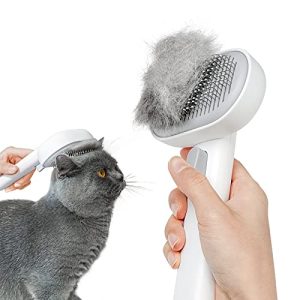
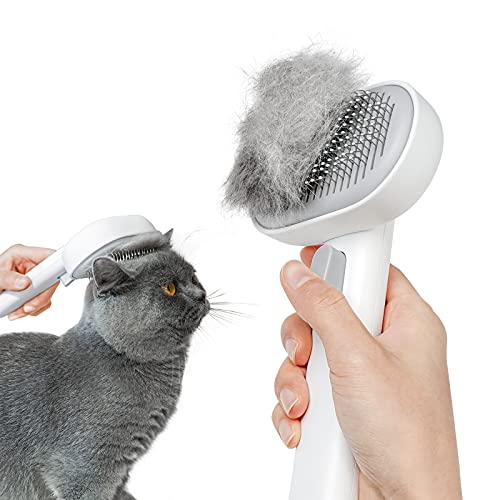
Aumuca Cat Brush for Shedding (Self-Cleaning)
Best for: Indoor cats that shed heavily or need light tangle prevention between baths they rarely need
- Style
- Self-cleaning slicker / massage pins (listing)
- Coat fit
- Short, medium, long (manufacturer)
- Cleaning
- One-click release button
- Skin note
- Rounded tips marketed as skin-friendlier
- Cat role
- Assist self-grooming; remove loose fur humans otherwise vacuum
Aumuca’s self-cleaning cat brush () is the honest counterweight to “cats groom themselves, so do nothing.” ASPCA grooming guidance still asks for regular brushing to cut shedding and hairballs—even on cats that rarely bathe. Creators listing copy emphasizes rounded-tip pins and a one-click fur release; treat that as product marketing, not a clinical study.
Use it as a human assist to feline tongue work: short sessions, coat-direction strokes, and an immediate stop if you find fleas, scabs, or pain. That is how “cleaner than dogs” stays true without sliding into neglect.
Pros
- Supports the “cats are cleaner” lifestyle by removing loose fur before hairballs and furniture coats
- Self-clean button beats picking fur out of a comb
- Useful when seniors or longhairs cannot finish their own coat
Cons
- Will not replace a mat splitter or pro groomer for dense mats
- Some cats hate slicker pins—stop if skin pinks or mood tanks
- Not a medical tool for fleas, allergies, or wounds
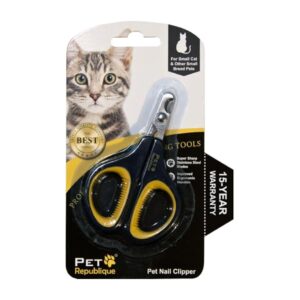
Pet Republique Cat Nail Clippers (Stainless Steel, Black+Yellow)
Best for: First-time home trimmers who want a sharp, cat-scale scissor tool without premium pricing
- Type
- Scissor-style claw clipper
- Blades (Creators)
- Thick stainless steel; stay-sharp claim
- Sized for (Creators)
- Cats, kittens, rabbits, puppies, small animals
- Grip (Creators)
- Larger soft grip for stability/control
- Listing tip (Creators)
- Baby oil to highlight quick; trim small amounts on overgrown nails
Pet Republique cat nail clippers () belong in a cleanliness comparison because claws are part of the household hygiene story: long tips hook litter clumps, snag textiles, and scratch skin that then gets licked. ASPCA nail-care pages recommend careful tip trims on a schedule many cats will tolerate every week or two—not declaw surgery.
We are not claiming a boarding-hotel manicure trial. Buy cat-scale stainless tools, learn where the quick is, and quit after one or two nails if your cat’s stress climbs.
Pros
- Creators copy is explicitly cat/small-pet sized—not a giant dog shear
- Soft grip + stainless blades: practical everyday pair
- Listing includes quick-visibility tip (baby oil) we can endorse as a label cue
- Widely available Creators hit for value shopping
Cons
- Not a plier for extremely thick senior claws
- No built-in depth limiter like some circular-hole designs
- Brand tip language is guidance—not a substitute for learning the quick
- Colorway is loud; function over fashion
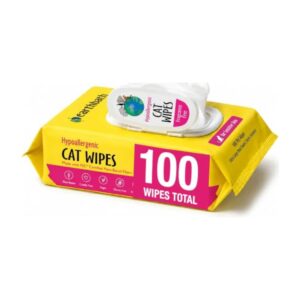
earthbath Hypoallergenic Grooming Cat Wipes (100 ct)
Best for: Spot-cleaning after litter tracking, food messes, or outdoor balcony grit without a sink battle
- Count
- 100 wipes (listing pack)
- Scent
- Fragrance-free / hypoallergenic marketing
- Use case
- Paws, coat surface, spot freshening
- Bath role
- Not a medicated shampoo substitute
- Age note
- Listing guidance for kittens over ~6 weeks
earthbath hypoallergenic cat wipes () sit in the gap between “never bathe” myths and “weekly dog-style baths.” ASPCA bathing steps exist for sticky or smelly disasters; most days a wipe on paws or a food-smeared chin is enough. Creators copy stresses plant-based, fragrance-free grooming—still read the label if your cat has open wounds or a prescribed topical.
Affiliate honesty: this is optional gear, not a cleanliness ranking ingredient. If your cat tolerates nothing on the face, skip and call a groomer or vet for true filth events.
Pros
- Matches “cats rarely need baths” without ignoring real messes
- Fragrance-free angle is kinder to scent-sensitive cats
- Travel / carrier cleanup without running water
Cons
- Will not dissolve grease the way a proper cat shampoo bath can
- Wipes are single-use waste vs a washable cloth
- Skin disease still needs a veterinarian, not a wipe aisle
Grooming assists without turning cats into dogs
1. Brush before you bathe. Most cats need the brush more than the tub.
2. Keep nail trims boring. Short sessions beat wrestling matches.
3. Wipes for messes, shampoo for disasters. Follow ASPCA’s “sticky/smelly/medical” bath triggers.
4. Scoop litter daily. That single habit does more for Toxoplasma risk reduction than any scent spray.
5. Skip fake rankings. Buy tools for your coat type, not for winning an internet species war.
Why cats usually seem cleaner
- Intensive daily self-grooming
- Rare need for routine baths (ASPCA)
- Lower baseline wet-fur odor for many healthy cats
- Litter toileting can be tightly managed indoors
Where the cat advantage fails
- Toxoplasma oocyst timing if litter sits
- Mats and senior/longhair neglect
- Hairballs from swallowed fur
- Outdoor toileting / raw diets erase easy assumptions
Are cats cleaner than dogs? FAQ
Are cats cleaner than dogs overall?
Usually for coat care and bath frequency, yes—healthy cats self-groom intensively and rarely need baths (ASPCA). That does not make cats sterile or dogs dirty by character. Litter management, mats, and zoonotic caveats still apply.
Do cats need baths?
Most healthy cats rarely do. ASPCA reserves baths for sticky/smelly messes or veterinary instructions. Regular brushing matters more than routine shampooing. Use cat shampoo only—human products can over-dry skin.
How often should dogs be bathed compared with cats?
ASPCA suggests bathing many dogs at least about every three months, with more frequency for outdoor lifestyles or skin issues; AKC emphasizes coat- and lifestyle-specific schedules. Cats have no equivalent default cadence beyond “as needed.”
Does Toxoplasma mean cats are dirtier pets?
No—risk is about feces timing and food/soil exposure. Cornell notes fur contact is unlikely; CDC highlights daily litter changes, gloves, handwashing, indoor cats, and cooked/commercial diets. Undercooked meat remains a major human pathway in the U.S.
Can you get Toxoplasma from petting a cat?
Cornell states it is unlikely you would be exposed by touching an infected cat because they usually do not carry the parasite on their fur. Focus on litter hygiene and food safety instead of avoiding affectionate contact.
Is a litter box cleaner than outdoor toileting?
A daily-scooped indoor box is easier to control than unsupervised outdoor elimination in gardens or sandboxes. A neglected box is worse than a yard you pick up promptly. CDC specifically warns about uncovered sandboxes.
When do long-haired or senior cats need extra grooming?
Whenever they cannot finish the job: longhair mats, arthritis, obesity, dental pain, or after messy stools. ASPCA warns mats are painful and can hide skin injury—brush early or book a professional.
Do mats mean my cat isn’t clean?
Mats mean the coat structure beat the tongue—not that your cat is lazy or immoral. They are a grooming and sometimes medical problem. Do not cut blindly near skin; use proper tools or a groomer/vet.
If cats self-groom, why bother with nail clippers or wipes?
Self-grooming does not shorten nails safely or remove grease from a dive into tuna oil. Optional tools like cat-scale clippers and hypoallergenic wipes handle the gaps without turning cats into weekly bath clients.
Does Cats Luv Us boarding prove cats are cleaner than dogs?
No. We board cats, not dogs, and this guide is literature-based. We will not invent a hotel cleanliness ranking to win a species argument.
Should I trust articles with cleanliness percentage scores?
No. Those percentages are almost always fabricated. Ask what was measured—odor, pathogens, bath frequency—and demand a real source.
What’s the single best hygiene habit for cat owners?
Scoop litter daily, wash hands, and brush coats that need help. That trio beats perfume sprays and panic baths for most households.
Bottom line
If the question is “who needs fewer baths and who looks neater between human grooming sessions,” cats usually win. If the question is “who can be ignored,” neither species qualifies. Scoop the box, brush the coats that need it, treat Toxoplasma as a glove-and-schedule problem, and leave the fake percentage charts on the scrap heap.
Sources
- ASPCA — General Cat Care (grooming: most cats stay relatively clean; rarely need baths; brush regularly)
- ASPCA — Cat Grooming Tips (bathing steps, brushing, nails, mats, hairballs)
- ASPCA — Dog Grooming Tips (bathing cadence ~at least every three months; coat-type brushing)
- Cornell Feline Health Center — Toxoplasmosis in Cats
- CDC — Preventing Toxoplasmosis (daily litter; 1–5 day oocyst timing; gloves; food/soil)
- CDC — People at Increased Risk for Toxoplasmosis
- AKC — How Often Should You Wash Your Dog? (coat- and lifestyle-dependent bathing)
- dvm360 — To groom or not to groom: feline self-grooming biology
Going away? Keep your cat's routine on track.
Cats Luv Us Boarding Hotel & Grooming in Laguna Niguel, Orange County.