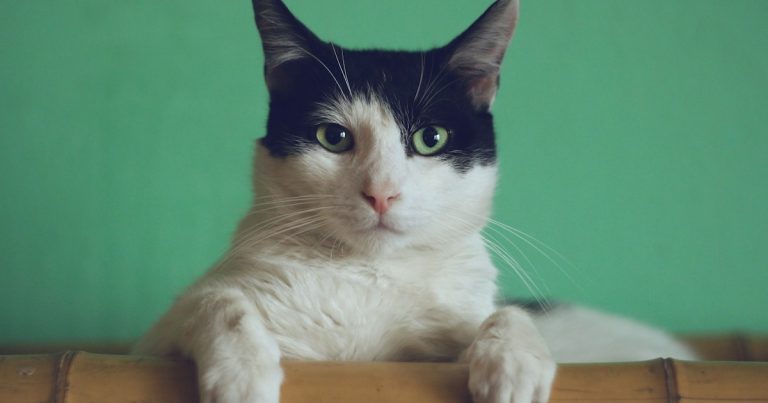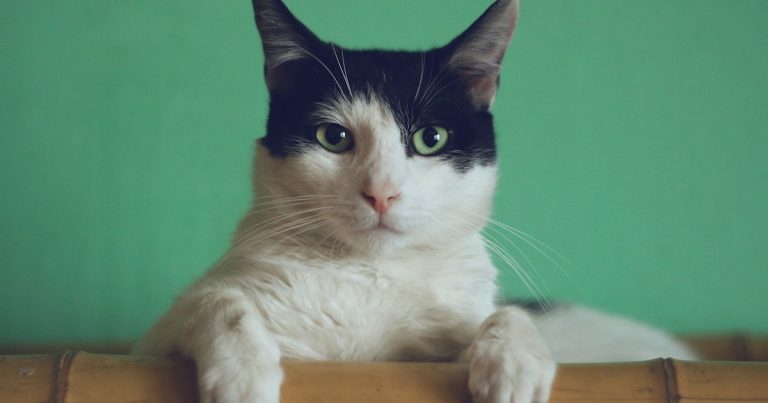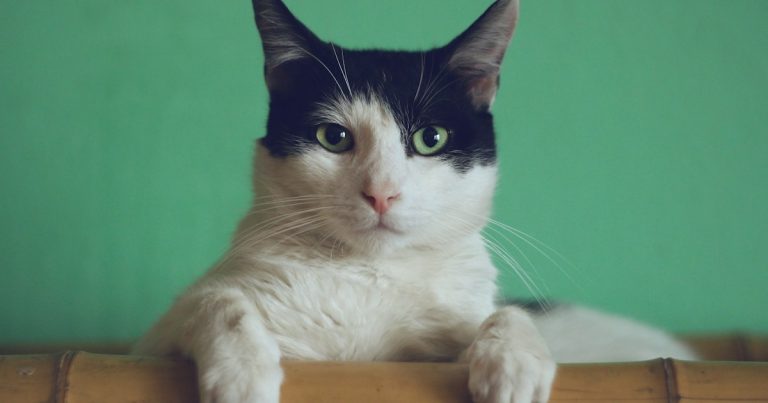
Tortoiseshell vs Calico (2026): Cat Coat Patterns Explained
Tortoiseshell and calico are coat patterns—not breeds. We explain the white-spotting split, dilute blue-cream looks, X-linked orange mosaicism, rare male exceptions, and “tortitude” using CFA and veterinary genetics literature—not boarding trials.

In this review 11 sections
CatsLuvUs Copilot Search
Ask this review — not the open web
Answers are generated from this Cats Luv Us review only. We may earn a commission from Amazon links. Not veterinary advice.
Answer from this review
This score is editorial — based on labels, recall history, and veterinary guidance, not a lab test. How we evaluated.
Call them patterns, not breeds: tortoiseshell mixes black/red (or dilute blue/cream) with little white; calico adds large white areas. Genetics explain the female bias—skip invented rarity percentages and “tortitude” as science.
Short answer: tortoiseshell and calico are coat patterns, not breeds. CFA says so outright. A classic tortie is a mosaic of black (or chocolate/cinnamon) with red/cream and little or no white. A calico is essentially that orange/non-orange mosaic plus enough white spotting to show large, distinct patches—often described as a white cat with black and red (or blue and cream) islands.
Both patterns are almost always female because the orange (O) locus sits on the X chromosome and random X-inactivation creates the patchwork. Rare males usually involve chromosomal or chimeric exceptions and are often sterile when XXY—do not invent tidy “one in a million” marketing stats. “Tortitude” is owner folklore, not a veterinary diagnosis. Optional Creators-verified gear: a Hertzko slicker, a stainless comb, and a soft donut bed.
Optional coat-care gear (Creators-verified)
How we compared tortoiseshell vs calico (literature, not litter tests)
This is a coat-pattern genetics and care guide for people who typed “tortoiseshell vs calico” into a search box. The Cats Luv Us Team did not board torties and calicos side-by-side for a personality scorecard. We mapped CFA coat-and-color descriptions, CFA Cat Talk parti-color explainers, Merck Veterinary Manual’s calico/tortoiseshell genetics table, and published sex-linked orange / X-inactivation literature, then translated that into household language.
Amazon cards below are optional coat-care gear verified through the Creators API (tag catsluvus03-20, rel="sponsored nofollow noopener").
The key point: tortoiseshell and calico are patterns, not breeds
If you remember one sentence from this article, make it this:
- Tortoiseshell (“tortie”) — a coat pattern: black (or another genetically black-series color) mixed with red/cream, usually with little or no white.
- Calico — a coat pattern: large areas of white plus distinct black-and-red (or dilute) patches. CFA groups calico with parti-color / bi-color pattern talk—not as a breed name.
CFA’s coat-and-color materials say it outright: descriptors like tabby, calico, and tortoiseshell describe the coat, not the breed. You can have a tortoiseshell Persian, a calico American Shorthair, or a random-bred shelter tortie. Asking “what breed is a calico?” is like asking “what breed is a tabby?”—the label is about pigment layout.
Side-by-side: tortie, calico, and dilute looks
| Label | What you usually see | Genetics sketch |
|---|---|---|
| Tortoiseshell | Black (or chocolate/cinnamon) mingled with red; little white | Female heterozygous at X-linked orange (O/o); mosaic from X-inactivation |
| Calico | White plus large black and red patches | Same O/o mosaicism plus white spotting (separate gene) |
| Blue-cream (dilute tortie) | Soft blue-gray mingled with cream; little white | Dilution softens black→blue and red→cream on a tortie layout |
| Dilute calico | White plus blue and cream patches | Dilution + white spotting on the calico layout |
| Torbie / patched tabby | Tortie colors with visible tabby striping | Orange/non-orange mosaic on an agouti/tabby background |
CFA Cat Talk’s parti-color explainer describes the archetypal tortie as a genetically black-series female with random red or cream patching, and the calico as a white cat with large, distinct black-and-red (or dilute) areas. Dilute versions swap the bold palette for watercolor blues and creams—same pattern logic, softer pigment.
Why the patchwork happens: X-linked orange and mosaicism
Orange vs non-orange in domestic cats is controlled by a sex-linked locus on the X chromosome (classically called Orange / O). Females have two X chromosomes. A female who inherits orange on one X and non-orange on the other is a heterozygote. Early in development, each cell randomly inactivates one X (Lyonization). Clones of cells that keep the orange-active X make pheomelanin-rich (orange/cream) fur; clones that keep the non-orange-active X make eumelanin-rich (black/brown/blue) fur. The visible result is a mosaic—tortie brindling or, with white spotting shifting melanocyte distribution, larger calico islands.
Merck’s veterinary genetics table puts the same story in clinical language: calico and tortoiseshell cats receive one X with the black-series allele context and one X with the orange allele; white comes from a different gene; two X chromosomes are required for the classic mosaic, so almost all such cats are female.
Molecular work in the mid-2020s (Current Biology and related Genetics/preprint literature) associates sex-linked orange with regulatory change at ARHGAP36—useful context for “how orange pigment is switched,” not a reason to quote kitchen-table percentages. We cite the mechanism; we do not invent “X% of cells are orange” charts for pet owners.
Rare male torties and calicos (XXY, chimera, mosaic)
Males are normally XY and carry only one X, so they are usually solid orange or solid non-orange—not a heterozygous mosaic. Rare male tortoiseshell or calico cats are explained in the literature by exceptions such as:
- Sex chromosome aneuploidy (commonly discussed as XXY, analogous to Klinefelter syndrome)—Merck notes these males are typically sterile.
- Chimerism (fusion of early embryos with different genotypes).
- Mosaicism / somatic mutation producing patchy pigment without a tidy breeding story.
VCA’s infertility materials likewise flag male calico and tortoiseshell cats as a classic XXY example. If you meet a male tortie, enjoy the genetics party—and ask a veterinarian about fertility only if breeding is somehow on the table (it usually should not be).
“Tortitude”: anecdote, not a breed temperament standard
Owners love the word tortitude—a spicy, opinionated vibe supposedly packed into tortie coats. Fun nickname. Weak science. Coat color genetics do not ship with a CFA temperament standard. Any domestic cat can be cuddly, vocal, aloof, or chaotic; confirmation bias makes the sassy tortie stories stick.
Treat personality as individual + environment + early socialization. Choose a cat by meet-and-greet behavior and lifestyle fit, not by meme.
Care notes that actually matter
Torties and calicos do not need a special “tri-color diet.” They need ordinary excellent cat care:
- Grooming: short coats usually need light weekly brushing; longer or denser coats need more frequent combing. Creators-verified examples: Hertzko slicker and Cafhelp stainless combs.
- Skin checks: busy mottled coats can hide fleas, hot spots, or mats—part the fur during grooming.
- Sun / white areas: cats with extensive white (many calicos) can be more prone to sunburn on pink noses/ears—ask your vet about safe outdoor/window habits.
- Enrichment: wand play, puzzle feeders, vertical space—pattern does not reduce boredom.
- Veterinary partnership: wellness visits, vaccines, parasite prevention. Coat color is not a diagnosis.
- Diet: complete feline nutrition appropriate to life stage per your veterinarian.
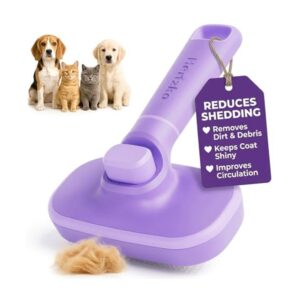
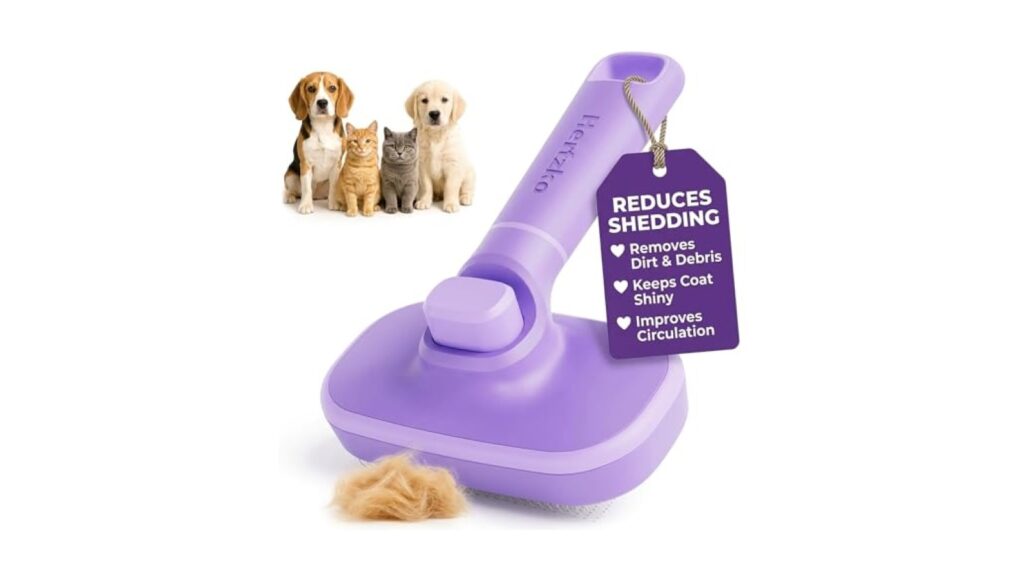
Hertzko Self Cleaning Slicker Brush for Dogs and Cats
Best for: Households managing spring/fall Siberian coat blowouts
- Style
- Self-cleaning slicker (retractable bristles)
- Creators brand
- Hertzko
- Use case
- Loose hair / light detangle on semi-long triple coats
Hertzko’s self-cleaning slicker () is here as a coat-maintenance tool, not a “tortie-branded” product. Patterned cats shed like any other domestic—weekly light passes pull loose undercoat before it paints the sofa in black, orange, and cream.
Keep pressure light and finish with a comb through the ruff and behind the ears where multi-colored medium coats can tangle.
Pros
- Push-button retract helps dump hair into the trash without picking bristles by hand
- Useful on both male and female Siberians—coat structure is not sex-specific in CFA standards
- Creators-verified image already in Media Library for honest affiliate linking
Cons
- Angled pins can scratch thin skin if you press hard—use light strokes
- Not a dematting rake for neglected knots; pair with a metal comb
- Grooming gear, not a medical or allergen-reduction product
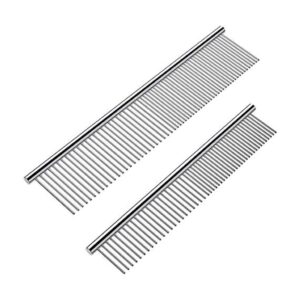
Cafhelp 2 Pack Dog Combs with Rounded Ends Stainless Steel Teeth
Best for: Owners who already brush but still find tangles in high-friction zones
- Style
- Stainless steel comb, rounded tips (2-pack)
- Creators brand
- Cafhelp
- Use case
- Finish pass after slicker; find hidden mats
Cafhelp’s 2-pack stainless comb set () is the finish tool after a slicker pass. Use the finer spacing around the face; save broader strokes for the body. Affiliate honesty: ordinary pet grooming hardware, not a show-grooming system.
Pros
- Rounded tips are gentler than sharp dematting blades for routine checks
- Two-pack means one bathroom comb and one travel/backup
- Pairs cleanly with CFA’s advice to feel underside, tail, and britches several times per week
Cons
- Will not replace professional dematting if a coat is severely neglected
- Larger males can be harder to wrangle for rear-end work—patience and treats help
- Not an allergy or medical device
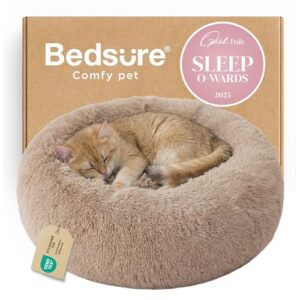
Bedsure Calming Cat Beds Donut Round Washable Kitten Bed, 20 inches Camel
Best for: Households that want a washable dedicated nap spot
- Size
- 20 in round donut (listing size)
- Creators brand
- Bedsure
- Use case
- Washable soft nest
Bedsure’s 20-inch calming donut () is optional comfort gear—not part of coat genetics. Wash on a pet-safe cycle when the undercoat blooms. A bed does not replace brushing, play, or veterinary care.
Pros
- Washable cover helps with seasonal shed hair piles
- Works for either sex; pick based on the cat’s preferred loaf shape, not stereotypes
- Reusable Media Library asset
Cons
- Very large males may overflow a 20-inch nest—watch fit as they mature to 3–5 years
- Some cats ignore beds and claim keyboards instead (CFA owners know this plot)
- Not orthopedic medical equipment
Who this guide is for
| Reader | Takeaway |
|---|---|
| Shopping “calico breeders” | Ask which breed (Persian, Manx, ASH…) — calico is the color class |
| Comparing shelter tortie vs calico | Pattern preference only; meet the individual |
| Curious about dilute “pastel” cats | Blue-cream / dilute calico = same logic, softer pigment |
| Told a male tortie is “impossible” | Rare, not impossible—genetics exceptions exist |
| Choosing by “tortitude” | Skip the meme; evaluate behavior in person |
What we like
- Leads with pattern-not-breed clarification searchers actually need
- Genetics framed with CFA + Merck/VCA literature—no invented male rarity %
- Dilute blue-cream / dilute calico covered in plain language
- Tortitude labeled as folklore, not science
- Thin Creators grooming ASINs reuse existing Media Library IDs
What we don't
- Individual cats vary more than any coat-color personality claim
- Affiliate ASIN set is grooming/comfort gear, not genetics tests
- Related Engaging coat posts exist—this page is the dedicated tortie-vs-calico explainer under /reviews/
Tortoiseshell vs Calico — FAQ
Is a tortoiseshell or calico a breed?
No. CFA’s coat-and-color materials state that calico and tortoiseshell describe the coat pattern—not the breed. You can have those patterns on many pedigreed breeds and on random-bred cats.
What is the difference between a tortoiseshell and a calico?
Both involve orange/non-orange mosaicism. Tortoiseshell usually means black/red (or dilute) mingled with little white. Calico usually means substantial white plus large, distinct color patches. White spotting is the practical visual splitter.
What is a dilute calico or blue-cream cat?
Dilution softens black to blue-gray and red to cream. A blue-cream is the dilute tortoiseshell look (blue + cream, little white). A dilute calico keeps the white-heavy calico layout but with blue and cream patches instead of black and red.
Why are calico and tortoiseshell cats almost always female?
The orange coat locus is X-linked. Females (XX) can be heterozygous and express both orange and non-orange patches through random X-inactivation. Typical males (XY) have only one X, so they are usually all orange or all non-orange.
Can male tortoiseshell or calico cats exist?
Yes, rarely. Literature and vet manuals describe exceptions such as XXY aneuploidy, chimerism, or mosaicism. Merck notes XXY male calicos/torties are typically sterile. We do not invent a single universal frequency percentage.
Is “tortitude” a real scientific trait?
No. It is owner folklore. Coat pattern genetics do not guarantee a spicy personality. Evaluate each cat as an individual.
Do torties and calicos need special grooming?
Not because of the colors themselves. Match grooming to coat length and density. A light weekly slicker and metal comb routine helps most short-to-medium coats; longhaired patterned breeds need more. Optional Creators-verified tools: Hertzko slicker and Cafhelp combs.
Sources
- CFA — Coat & Color Descriptions (tabby/calico/tortoiseshell are patterns, not breeds; parti-color language): cfa.org/coat-color-descriptions
- CFA Cat Talk — Patterns in the Domesticated Cat – Parti-Color and Bi-Color Patterns (tortie, calico, blue-cream, dilute calico): cfa.org Cat Talk parti-color
- Merck Veterinary Manual — Calico and Black and Orange Tortoiseshell Cats (XX mosaicism; white from separate gene; rare XXY males often sterile): Merck calico/tortie table
- VCA Hospitals — Infertility in Male Cats (XXY male calico/tortoiseshell note): vcahospitals.com
- VCA Hospitals — Genetics Basics: Modes of Inheritance (sex-linked X overview): vcahospitals.com inheritance
- Schmidt-Küntzel et al., Genetics (2009) — Domestic cat X map / sex-linked orange; X-inactivation mosaicism context: doi:10.1534/genetics.108.095240
- Current Biology (2025) — ARHGAP36 deletion associated with orange coloration in tortoiseshell/calico cats: Cell/Current Biology
- Amazon Creators API — product titles/images for ASINs , , (partner tag catsluvus03-20; media reuse 82194–82196)
Going away? Keep your cat's routine on track.
Cats Luv Us Boarding Hotel & Grooming in Laguna Niguel, Orange County.